
NORMAN LEWIS
Norman Lewis wrote thirteen novels and thirteen works of non-fiction, mostly travel books. His early childhood, as recalled in Jackdaw Cake (1985), was spent partly with his Welsh spiritualist parents in Enfield, North London, and partly with his eccentric aunts in Wales.
Forgoing a place at university for lack of funds, he used the income from wedding photography and various petty trading to finance travels to Spain, Italy and the Balkans, before being approached by the Colonial Office to spy for them with his camera in Yemen. He moved to Cuba in 1939, but was recalled for duty in the Intelligence Corps during the Second World War. It was from this that Norman Lewis's masterpiece, Naples '44, emerged, a resurrection of his wartime diary only finally published in 1978. Before that came a number of novels and travel books, notably A Dragon Apparent (1951) and Golden Earth (1952), both of which were best sellers in their day. His novel The Volcanoes Above Us, based on personal experiences in Central America, sold six million copies in paperback in Russia and The Honoured Society (1964), a non-fiction study of the Sicilian Mafia, was serialised in six instalments by the New Yorker.
Norman Lewis wrote thirteen novels and thirteen works of non-fiction, mostly travel books, but he regarded his life's major achievement to be the reaction to an article written by him entitled Genocide in Brazil, published in The Sunday Times in 1968. This led to a change in the Brazilian law relating to the treatment of Indians, and to the formation of Survival International, the influential international organisation which campaigns for the rights of tribal peoples. He later published a very successful book called The Missionaries (1988) which is set amongst the Indians of Central and Latin America.
Articles, Stories & Other News

Can a book save one’s life? I used to think so when stationed in Mogadishu, avoiding thoughts of murder or suicide in that sunburnt madness only by immersing myself in Gerald Hanley’s Warriors (1971). Day after day I would throw myself on to my bed after another utterly fruitless, pointless day in the president’s office, and lie down, sweating beneath squadrons of flies and mosquitoes, and try to forget about it all.
George Orwell says somewhere that autobiography is to be trusted only when it reveals something dreadful. Almost any sort of life when viewed from the inside consists largely of a series of defeats.

I am probably one of the few persons to have been tipped by a taxi driver, instead of the normal reverse transaction being the case. It was a small matter, yet provided an unforgettable moment of illumination of a cultural and spiritual divide between the East, as represented by Burma, and the West.
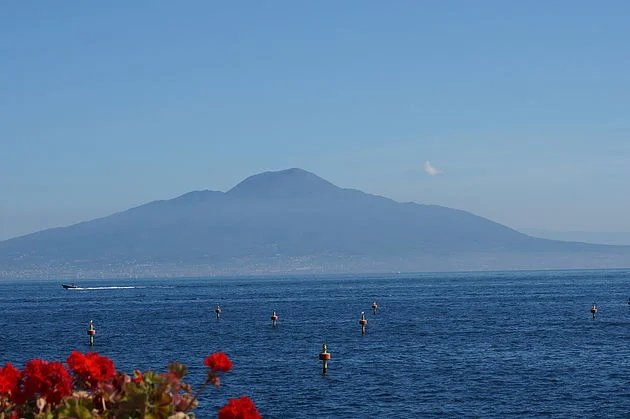
Today Vesuvius erupted. It was the most majestic and terrible sight I have ever seen, or ever hope to see. The smoke from the crater slowly built up into a great bulging shape having all the appearance of solidity. It swelled and expanded so slowly that there was no sign of movement in the cloud which, by evening, must have risen thirty or forty feet into the sky, and measured many miles across . . .
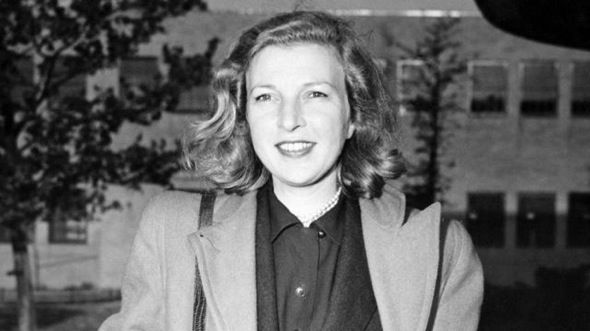
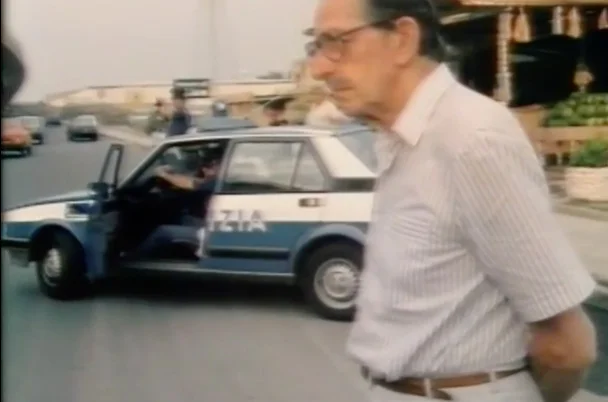
On an early Monday evening in November Norman and Lesley made a rare trip to London together. The occasion was a birthday party at the Groucho Club for Martha Gellhorn, a few month younger than Norman. Both were now eighty-five. Lesley recalls that the dinner was "fascinating. Her coterie of young men [was there], John Simpson, Jon Snow, Nicholas Shakespeare, John Hatt. It was predominately a male occasion." Gellhorn had been asked, as had Norman, by the Daily Mail to write a piece about her best of all time travel book for its New Year's Day edition, and told him she had chosen Naples '44.
'Empire' is undoubtedly the right technical term for a mass of sea-sundered territories ruled from a single centre. When I lived in Malaysia I was aware of Sumatra a few sea miles to the west; when I was in Brunei (which on Norman Lewis's map has, with Sabah, been swallowed by Sarawak) I was to the north of an unexplored mass of jungle that belonged to Indonesia.
THEY CHANGE THEIR SKY, not their soul,' as Horace said, 'who run across the sea.' The sad old Roman truth is not to be refuted. Escape is never more than partial. Nevertheless, at a minor geographical level small, reviving evasions can be planned. This one was to Spain, an unlikely bolthole, it might be supposed, in the era of the package deal; yet far from the Costas in the deep interior rich lodes of undisturbed hispanidad remain to he discovered . . .
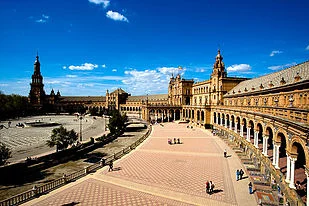
THEY CHANGE THEIR SKY, not their soul,' as Horace said, 'who run across the sea.' The sad old Roman truth is not to be refuted. Escape is never more than partial. Nevertheless, at a minor geographical level small, reviving evasions can be planned. This one was to Spain, an unlikely bolthole, it might be supposed, in the era of the package deal; yet far from the Costas in the deep interior rich lodes of undisturbed hispanidad remain to he discovered . . .
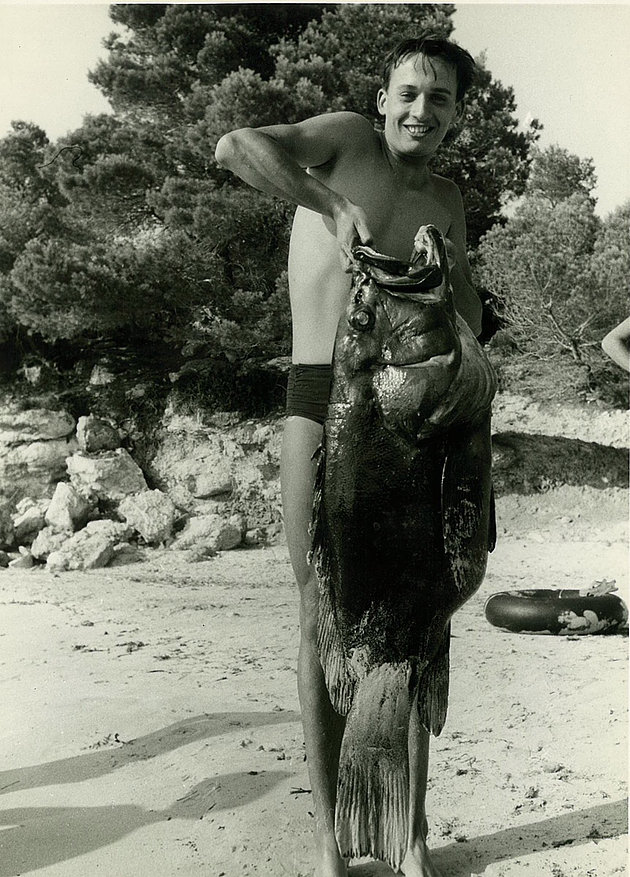
I chose Farol on the Costa Brava and as it turned out spent three summer seasons there, studying and writing about the life of the people. Protected by an approach down something hardly better than a can track, followed by steep gradients and hairpin bends, and a final patch of swamp crossed by a swaying bridge, the village was perfect from my point of view . . .

A Dragon Apparent and Golden Earth established Norman Lewis as a writer of uncommonly well-written prose, who, as Cyril Connolly noted, had a remarkable gift for making even a lorry seem interesting. Both books, published in impressively short succession, were lavished with superlatives from the critics of the time . . .
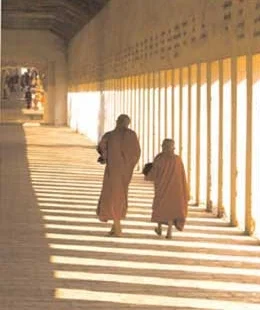
For many of its practitioners, travel writing is entirely a romantic venture by which the writer imagines himself as the hero of his own account, tramping his way through uncharted sands like Lawrence of Arabia. A more modest writer might see things less conceitedly and make himself the fool instead; but surely only a truly self-effacing one could resist the temptation of making himself the central character in his own travel book . . .
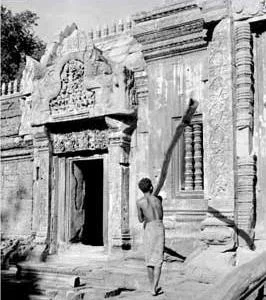
There were seven jars attached to the framework in the centre of the room and as soon as the chief’s sons-in-law had arrived and hung up their cross-bows on the beam over the adventures of Dick Tracy, they were sent off with bamboo containers to the nearest ditch for water . . .
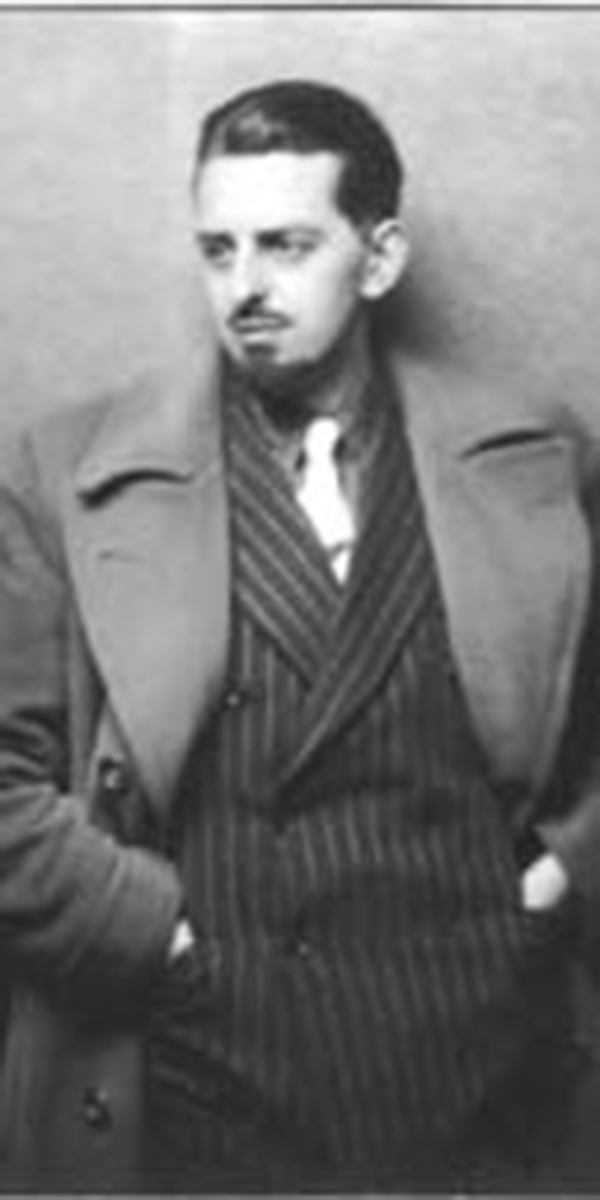
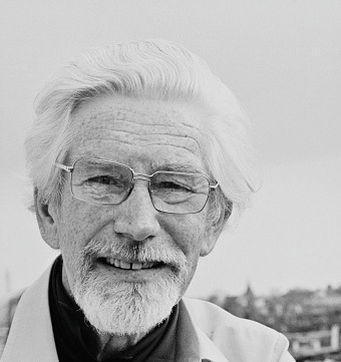
The writer Norman Lewis, who has died aged 95, once claimed to be the only person he knew who could walk into a room full of people, and leave it some time afterwards without anyone else realising that he had been there. That there was only limited truth in the assertion was unimportant; it says far more about his modesty that failing to attract attention was the only claim he pretended to . . .
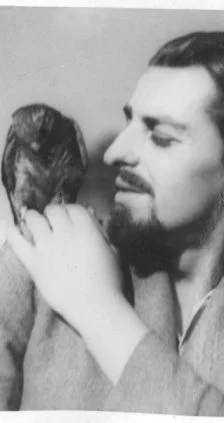
This is a biography by someone who dislikes biography about someone who disliked exposure,' declares Julian Evans in his preface, adding that he wrote this book only to stop anyone else doing so . . .

Norman Lewis has spent a lifetime travelling the world and writing about it. In conversation with Michael Parkinson, he recalls his curious upbringing in Wales with three maiden aunts, his travels in Cuba where he met Ernest Hemingway, and his love of Naples which led to his writing two books on the Mafia. He also chooses the eight records he would take to the mythical island . . .
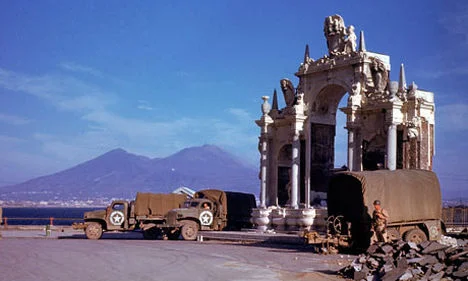
Neapolitans take their sex lives very seriously indeed. A woman called Lola, whom I met at the dinner-party given by Signora Gentile, arrived at HQ with some denunciation which went into the waste-paper basket as soon as her back was turned. She then asked if I could help her. It turned out she had taken a lover who is a captain in the RASC, but as he speaks no single word of Italian, communication can only be carried on by signs, and this gives rise to misunderstanding . . .
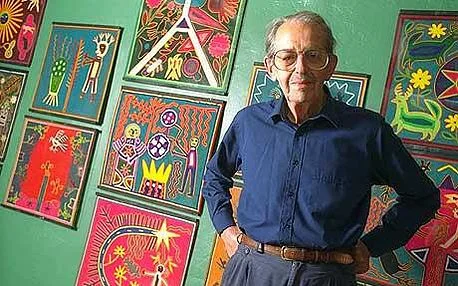
Norman Lewis’s life was as significant in historical terms as it was colourful. As a witness to his times – the good, the bad and the absurd – he was unmatched; his instinct for important events was practically infallible. Among 20th-century writers, only Norman can tell you first-hand about being on the receiving end of the Asturian miners’ gunfire that preceded the Spanish Civil War and about the resistance of the East Timorese to President Suharto’s soldiers sixty years later . . .
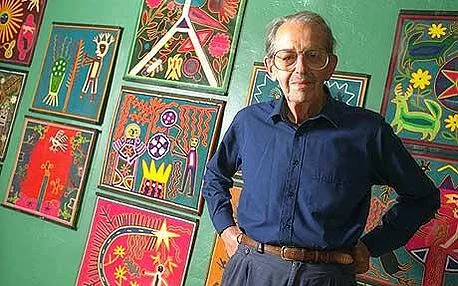
“Norman Lewis is one of the best writers, not of any particular decade, but of our century.”
Books
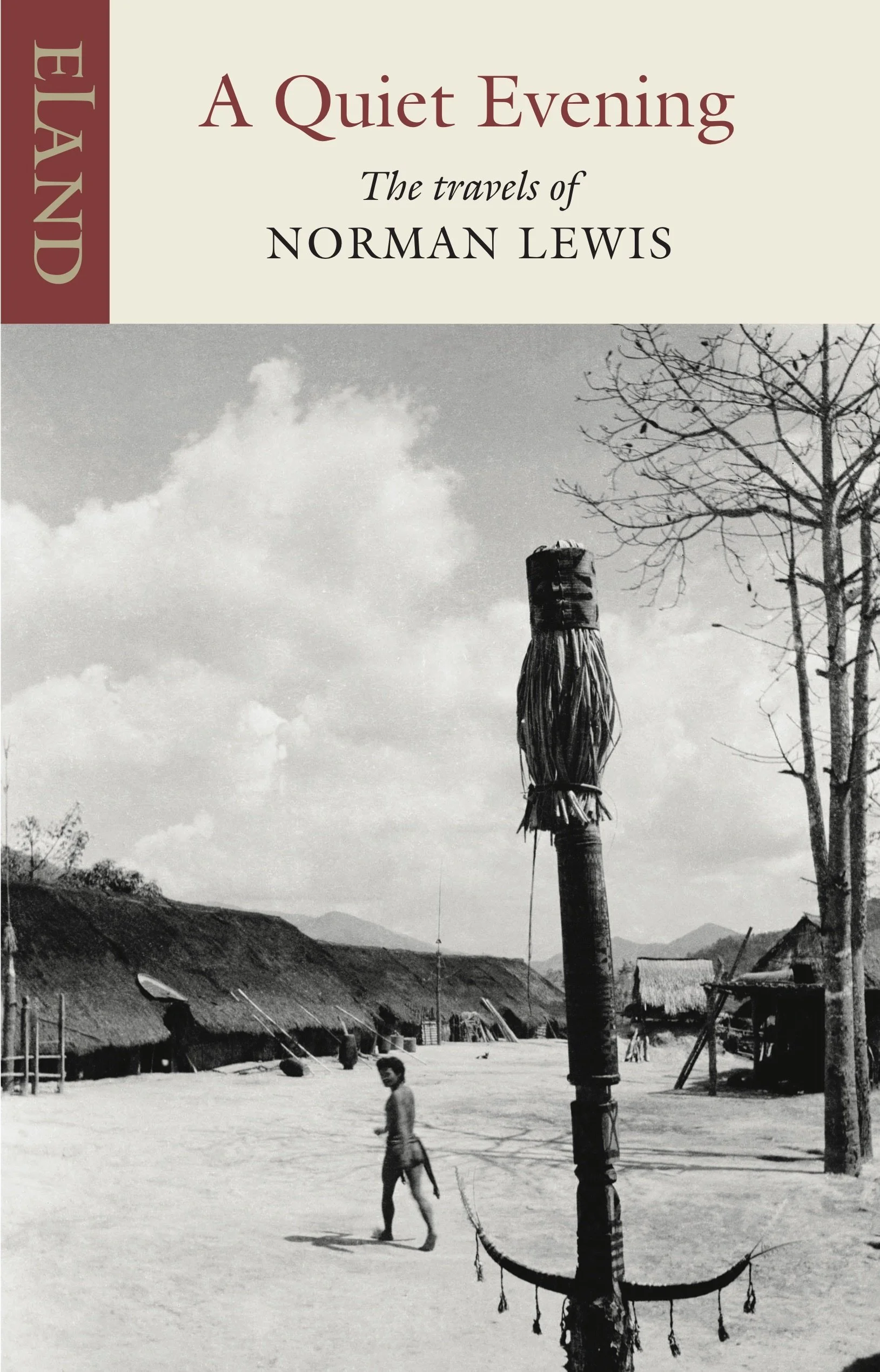
Selected and introduced by John Hatt.
Collected here, from a period of nearly five decades, are thirty-six of Norman Lewis’s best articles. In each, his writing crackles with poker-faced wit and stylistic brilliance. As a witness to his times – the good, the bad and the absurd – he was unmatched, and his instinct for important events, and moments, was infallible. His range here includes Ibizan fishermen, an interview with Castro’s executioner, the genocide of the South American Indian tribes, a paean to Seville and his meeting with a tragic Ernest Hemingway. That meeting was ‘a shattering experience,’ Norman wrote to Ian Fleming who had commissioned him, ‘of the kind likely to sabotage ambition.’Fortunately it didn’t, and the articles assembled between these covers are compulsive, hilarious, tender and beautifully written, at times deeply upsetting, and always unforgettable.
‘I have no hesitation in calling Norman Lewis one of the best writers, not of any particular decade, but of our century.’ Graham Green
‘Norman Lewis is outstandingly the best travel writer of our age, if not since Marco Polo.’ Auberon Waugh
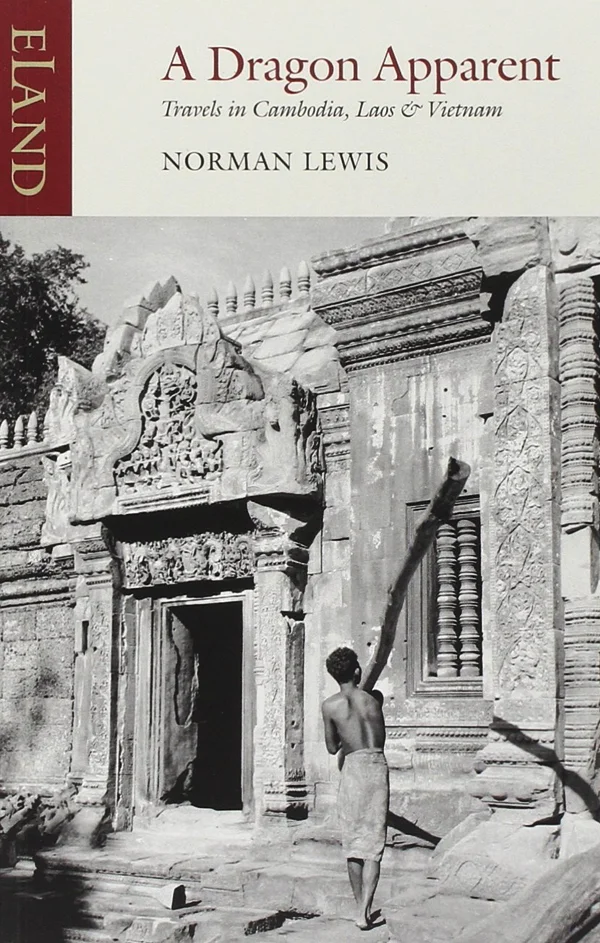
Travelling through Vietnam, Laos and Cambodia in the twilight of the French colonial regime, Norman Lewis witnessed these ancient civilisations as they were before the terrible devastation of the Vietnam war. He creates a portrait of traditional societies struggling to retain their integrity in the embrace of the West. He meets emperors and slaves, brutal plantation owners and sympathetic French officers trapped by the economic imperatives of the colonial experiment.
From tribal animists to Viet-Minh guerrillas, he witnesses this heart-breaking struggle over and over, leaving a vital portrait of a society on the brink of catastrophic change.
‘an absorbing and heart-aching glimpse of lands, peoples and customs which have gone forever.’ - Manchester Evening News
‘Mr Lewis can make even a lorry interesting.’ - Cyril Connolly, Sunday Times
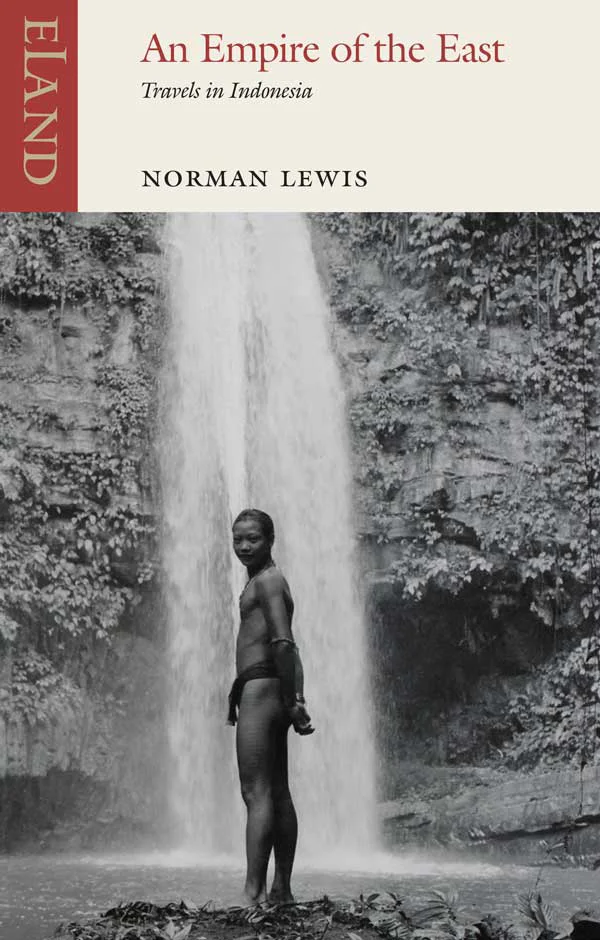
Norman Lewis was eighty-three years old when in 1991 he embarked on a series of three arduous journeys into the most contentious corners of Indonesia: into the extreme western edge of Sumatra, into East Timor and Irian Jaya. He never drops his guard, reporting only on what he can observe, and using his well-honed tools of irony, humour and restraint to assess the power of the ruling Javanese generals who for better or worse took over the 300-year old dominion of the exploitative Dutch colonial regime.
‘Mr Lewis has, with his inveterate skill, presented these purgatories with a light touch. His prose is almost edible. In old age he is writing better than ever.’ - Anthony Burgess
‘... a powerful work, made brilliant by its simplicity.’ - Michael Fathers, Independent
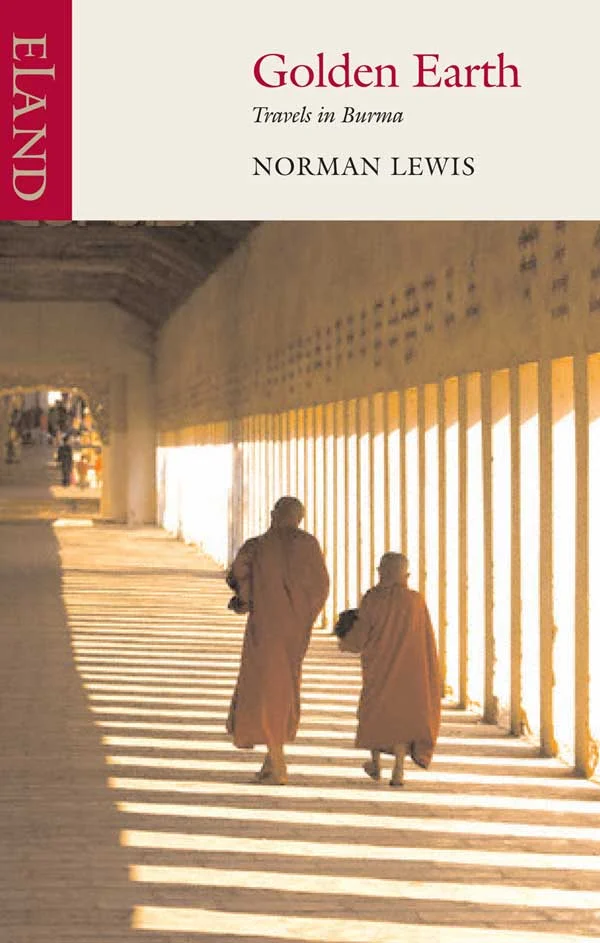
Norman Lewis describes a land of breath-taking natural beauty peopled by the gentle Burmese. This is a country where Buddhist beliefs spare even the rats, where the Director of Prisons quotes Chaucer and where three-day theatrical shows are staged to celebrate a monk taking orders.
Hitching lifts with the army and with travelling merchants, Lewis is treated with hospitality wherever he stops in this war-torn land, and reveals a country where ‘the condition of the soul replaces that of the stock markets as a topic for polite conversation’.
‘A truly great travel writer, perhaps the greatest we have.’ - Sunday Telegraph
‘... the best ever written about Burma.’ - New York Review of Books
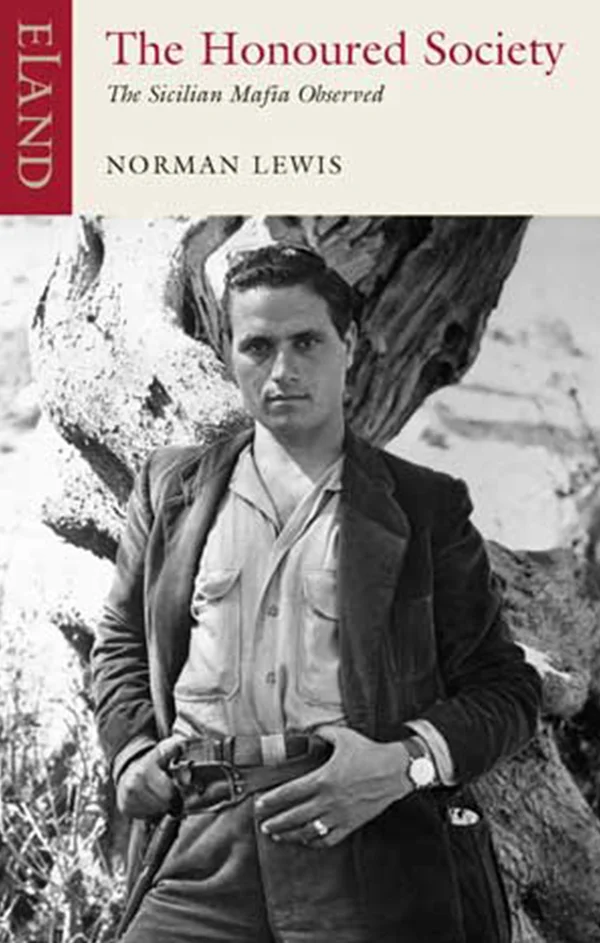
Norman Lewis gives a fascinating and detailed account of how the Mafia was returned to power in 1944 by the unsuspecting US army, after Mussolini had come close to destroying it.
He looks at the Mafia in their homeland and how in their attempt to preserve Sicily for the Sicilians, despite countless invasions, they infiltrated every aspect of the island’s life, corrupting landowners, police, the judiciary and even the church.
In one chilling chapter, Lewis details the escapades of eighty- year-old Padre Camelo who led his monks on sprees of murder and extortion, frequently using the confessional box for transmitting threats.
‘The Mafia observed by one of the greatest writers of our time.’ - Observer
‘... every page is horribly absorbing.’ - The Times
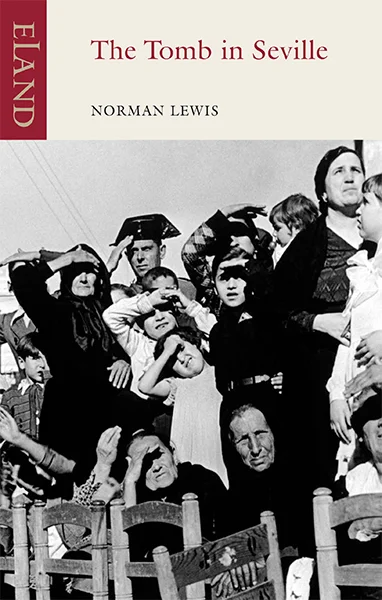
In 1934, Norman Lewis and his brother-in-law Eugene Corvaja travelled across the breadth of Spain on what turned out to be the eve of the murderous civil war. Commissioned by his Sicilian father-in-law to locate the tomb of the last Spanish Corvaja in the cathedral of Seville, when public transport came to a standstill, the two walked more than a hundred miles to Madrid, and were then forced via Portugal to Seville.
What is entirely in keeping with the mischievous character of Norman Lewis is that this, his very last book, is also his first. For the extraordinary set of misadventures distilled and honed by the nonagenerian writer in The Tomb in Seville were first described in Lewis’s apprentice work, Spanish Adventure.
‘Crackles with poker-faced wit and stylistic brilliance.’ - Guardian
‘Full of feeling...and a love of the natural world.’ - London Review of Books
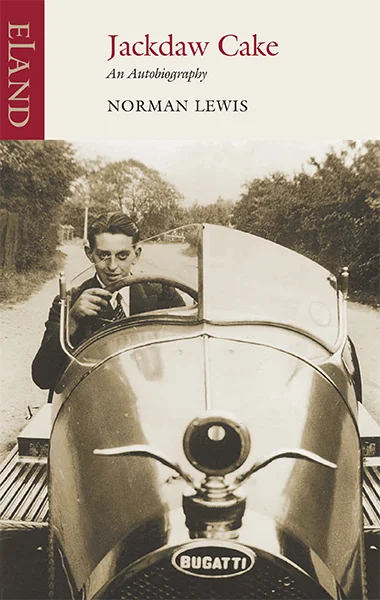
Norman Lewis moves from Spiritualist parents in Enfield to live with supremely dotty aunts in Carmarthen, whose baking of a weekly cake to feed the jackdaws gives the book its title.
Escaping his eccentric family by marrying the daughter of a Sicilian associate of the Mafia, Norman made a living as a wedding photographer and by dealing in cameras, while restoring and racing Bugattis for pleasure. Here we see his first journeys in Spain, Cuba and the Yemen, and a wartime spent in Algeria, Sicily and Italy, all of which acted as an apprenticeship for his career as one of the twentieth century’s greatest travel writers.
‘... as a witness to his own times – the good, the bad and the ludicrous – he is unmatched’ - Sunday Times
‘... this book, hilarious, tender, beautifuly written, is certainly one of Norman Lewis’s best.’ - Literary Review
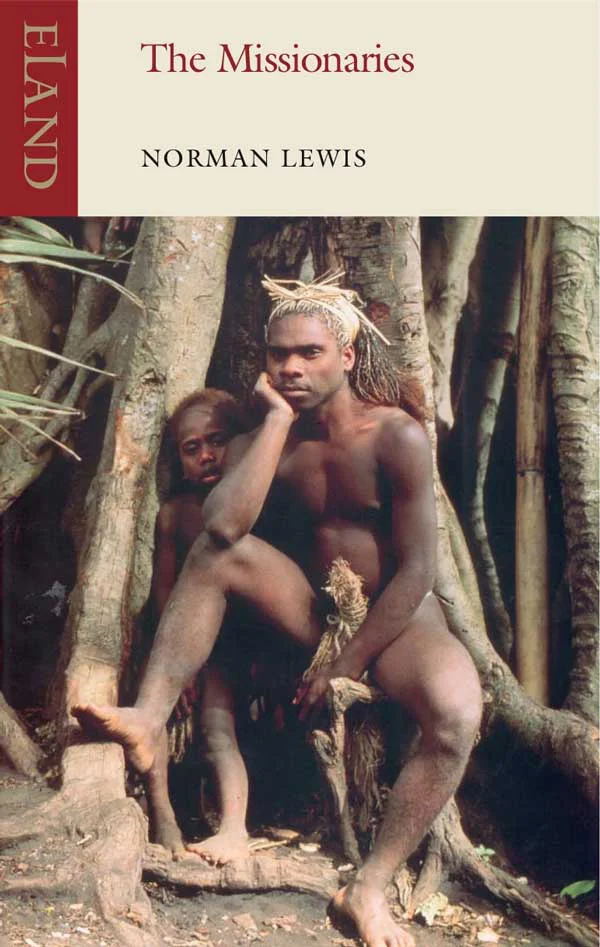
The Missionaries is a searing examination of attempts by North American fundamentalist Christian missionaries to convert indigenous tribes around the globe, and the genocide which so often results. In a distillation of a lifetime’s observation on the ground, Norman Lewis contrasts the self-contained, peaceful traditions of the tribal people he so admires with the shameless violence, the bogus piety, the ruthless double standards and the mercenary greed of the men and women who seek to convert them.
By simply observing the two groups and describing their words and actions, Lewis leaves the reader devastated by man’s capacity for cruelty and with no doubt as to which of the two – missionaries or tribespeople – inhabits the superior culture.
‘... a scathing and ironic indictment of which a Voltaire or a Swift might be proud’ - Sunday Times
‘... compulsive, deeply upsetting and unforgettable’ - Financial Times
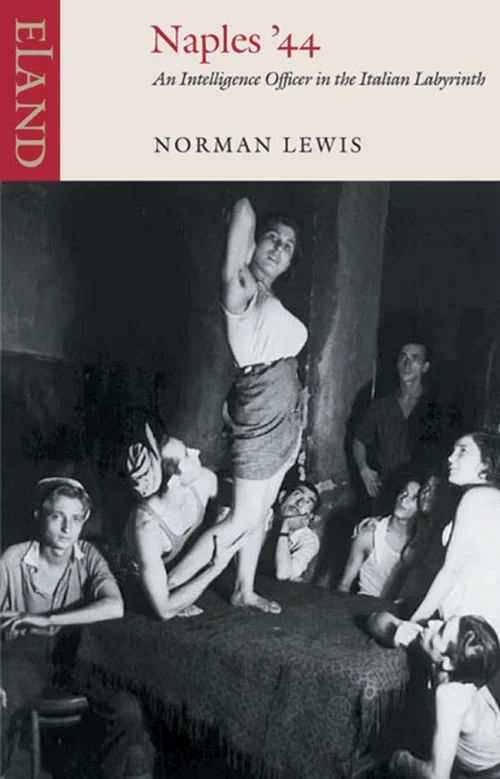
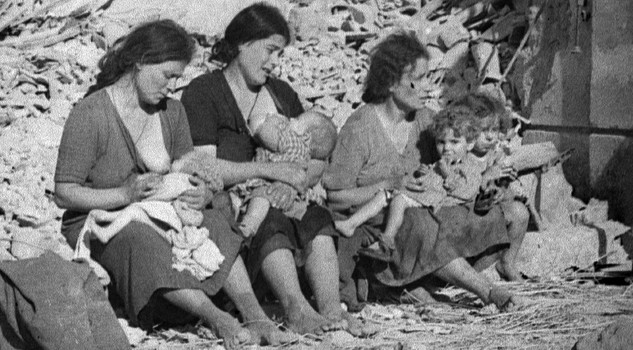
Lewis arrived in war-torn Naples as an intelligence officer in 1944. The starving population had devoured all the tropical fish in the aquarium, respectable women had been driven to prostitution and the black market was king.
Lewis found little to admire in his fellow soldiers, but gained sustenance from the extraordinary vivacity of the Italians. There is the gynaecologist who ‘specialises in the restoration of lost virginity’ and the widowed housewife who times her British lover against the clock. ‘Were I given the chance to be born again,’ wrote Lewis, ‘Italy would be the country of my choice’.
‘... one of the greatest of twentieth-century British writers and Naples ’44 is his masterpiece. A lyrical, ironic and detached account.’ - Will Self
‘One goes on reading page after page as if eating cherries.’ - Luigi Barzini, New York Review of Books
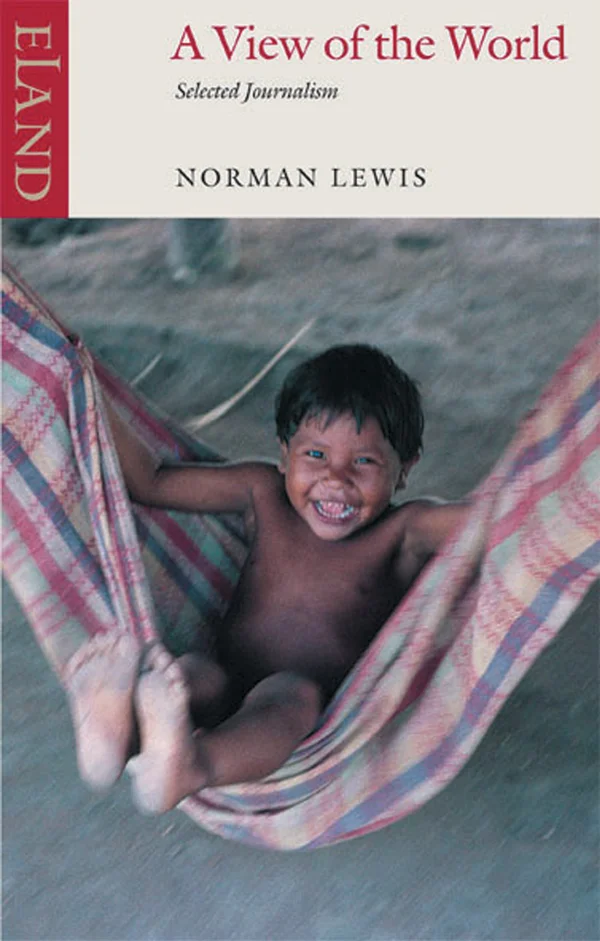
Collected between these covers are twenty of Norman Lewis’s finest pieces of travel writing, spanning a period of 30 years. He brings us face to face with Castro’s executioner, with a tragic Ernest Hemingway and with the unchanged lifestyle of fishermen in an unspoilt Ibiza. He describes the gentle pleasures of Belize, the ferocious blood feuds of Sardinian bandits and the unpleasant duty of repatriating Cossacks to the Soviet Union in 1944.
At the heart of the collection is Lewis’s famous report on the genocide of the Brazilian Indians, which led to the creation of Survival International – which campaigns for the rights of tribal peoples. This, Lewis felt, was the most important achievement of his professional life.
‘Everything is portrayed with a brilliance which makes all other travel-writing read like the blurb on a brochure.’ - Time Out
‘A View of the World will carry Norman Lewis’s reputation even higher than it already is. It is a triumph.’ - Patrick Marnham, Literary Review
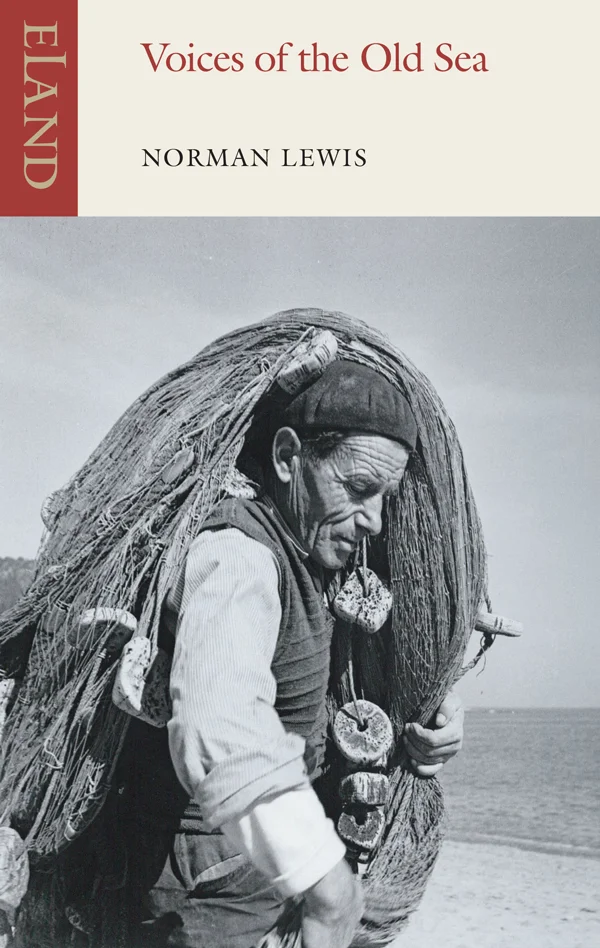
In the late 1940s, Norman Lewis settled in a remote fishing village on what is now the Costa Brava in Spain, relishing a society where men regulated their lives by the sardine shoals of spring and autumn and the tuna fishing of summer, and where women kept goats and gardens, arranged marriages and made frugal ends meet.
Over the course of three years he watches with sorrow and affection as the villagers struggle to hang on to a way of life unchanged for centuries. How long can their precarious economy, their ancient feuds and traditions – not least the evenings of impromptu blank verse in the bar – hold out against the encroaching tide of package tourism, which sidles insidiously into the village with the arrival of black-marketeer Muga?
‘His account of Farol on the Costa Brava is a quirky masterpiece’ - Chris Hirst, The Independent
‘... a haunting book that encapsulates a whole social revolution.’ - Sunday Telegraph
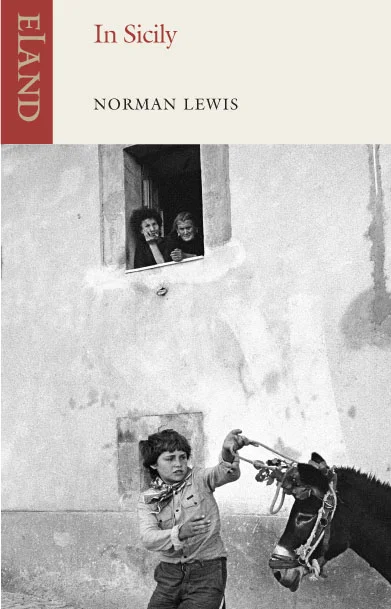
In Sicily is a loving take on an extraordinary island, based on Norman Lewis’s sixty-year-long fascination with all things Sicilian. Few places on earth have escaped the singular eye of Norman Lewis, but always, in the course of his long career, he has come back to Sicily. From his first wartime visit – to a land untouched since the Middle Ages – through his frequent returns, he has watched the island and its people as they have changed over the years. In Sicily is dedicated to a Sicilian journalist killed by a Mafia bomb, he rarely lets us forget the presence of organized crime.
We benefit from his friendships with policemen, journalists and common people. Moreover, he writes beautifully of landscape and language, of his memories of his first father-in-law (professional gambler, descendant of princes and member of the Unione Siciliana), of Sicily's changing sexual mores, of the effects of African immigration, of Palermo and its ruined palaces – and of strange superstitions, of witches and bandits and murder.
‘ Norman Lewis proves he has lost none of his panache, subtle sense of humour or lyrical prose … I simply urge you to read this book.' Sunday Express
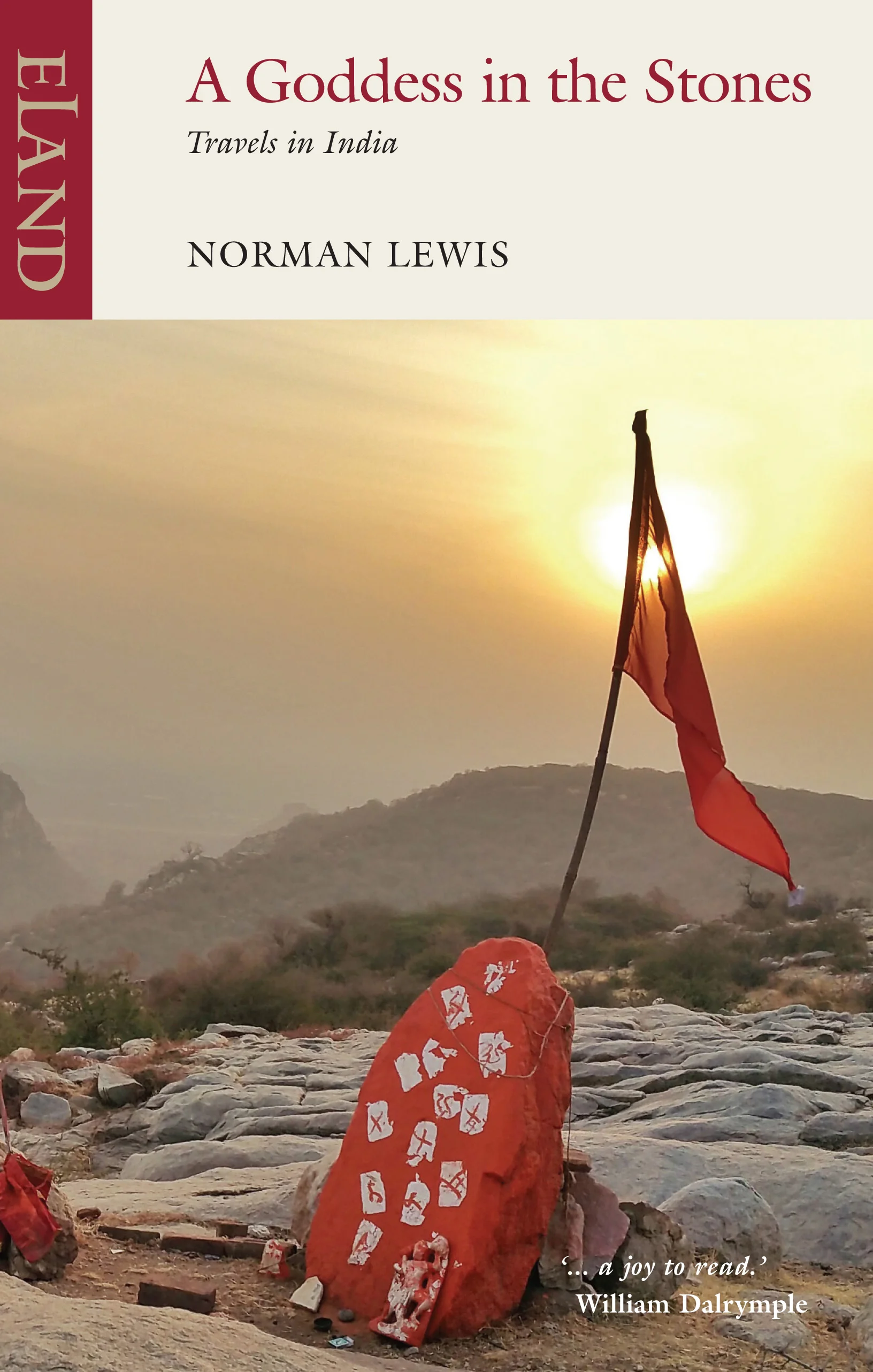
Norman Lewis avoids the easy pleasures of travelling through the hill-forts of Rajasthan, visiting palace hotels and the Taj Mahal. Instead his travels in India begin in the impoverished, overpopulated and corrupt state of Bihar - the scene of a brutal caste war between the untouchables and higher-caste gangsters. From these violent happenings, he heads down the west coast of Bengal and into the highlands of Orissa to testify to the life of the indigenous ‘tribals’ who have survived here in isolation. There is much wisdom to be gained from these threatened cultures and Lewis is the perfect guide.
As William Dalrymple observed in The Spectator, ‘the great virtue of Norman Lewis as a writer is that he can make the most boring things interesting; whatever he is describing – whether it is a rickshaw driver, an alcohol crazed elephant, or a man defecating beside the road – Lewis senses are awake for sounds or smells, and he can make you think twice about scenes you have seen ten thousand times before … the book is full of some of the strangest facts imaginable ... It is a joy to read.’
‘As sharply and elegantly turned as we might expect from the doyen of English travel-writing. There is something uncanny about Lewis’s endless ability to deliver.’ Jonathan Keates, The Observer