
News
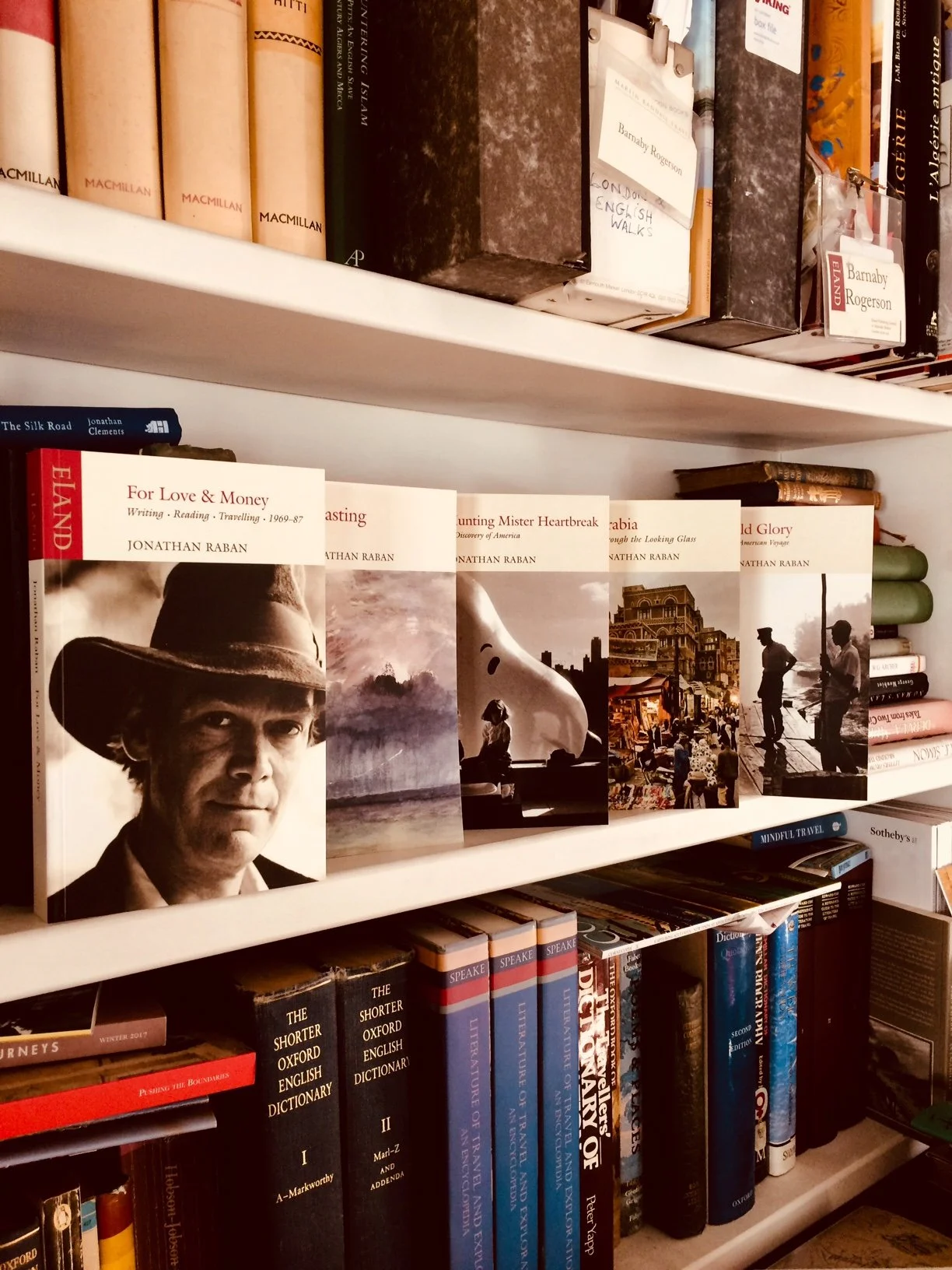
Remembering Jonathan Raban by Jon Cook
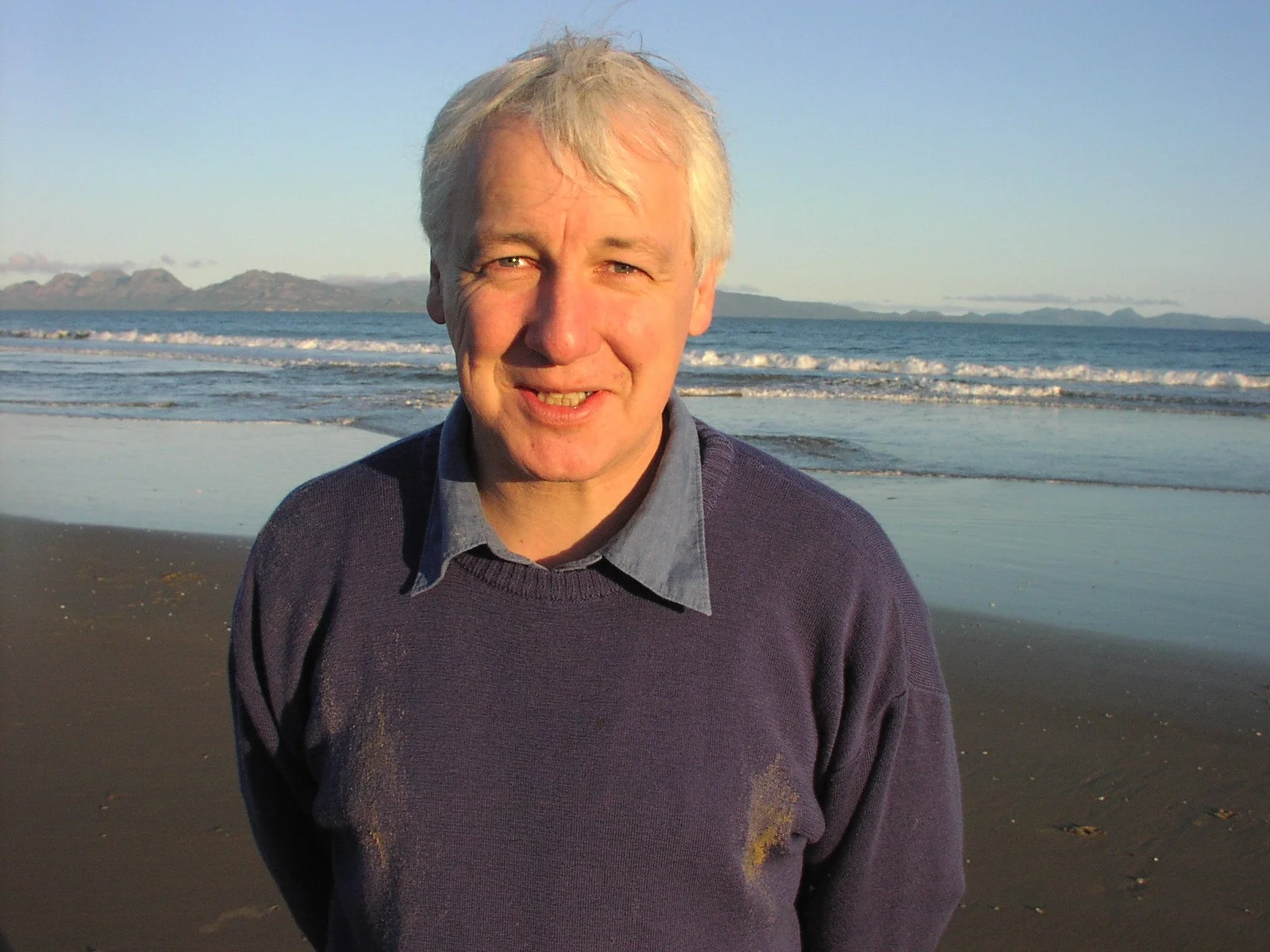
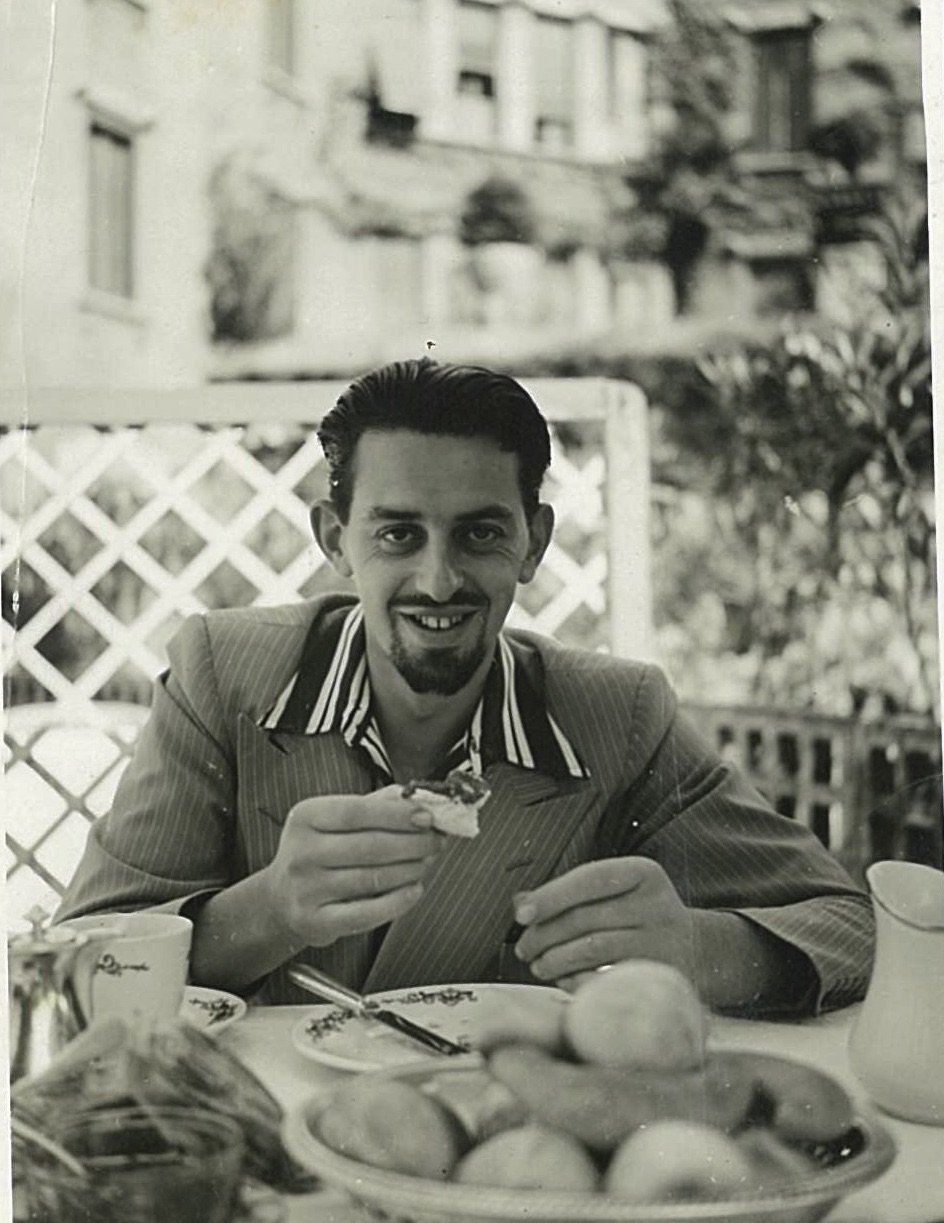
I first encountered Jonathan Raban as an absence, a glamorous rumour. I had come to UEA in 1970 as a graduate student. He had left the year before but was far from forgotten. The pubs where he drank were pointed out to me. One of my tutors, Malcolm Bradbury, directed me to an article he had written about the art of criticism as a form of fiction writing. The idea struck me as faintly scandalous but also very exciting. What if critics were, in their own way, story tellers? What if the purpose of criticism was to release the reader’s imagination rather than confine it in concepts? There seemed to be something free spirited about his writing. He didn’t want to get boxed in by oppositions between the modern and the traditional, or the English and the American, but would think on his own terms about what he liked and what he didn’t. I wanted to read more . . .
Eland Interviews Nicholas Shakespeare
First person that inspired you to become a story-teller? Be it teacher, grandmother, the radio.
The first story-teller I knew was my grandfather, the broadcaster and author SPB Mais, and he was the reason why I never wanted to become a writer myself. Quite famous in his day, now forgotten, he wrote upwards of 300 books (with titles like Some Books I Like, and its sequel More Books I Like). When he died, bankrupt and heartbroken after his wife of 60 years ran off with someone else, I thought, If that’s what it means to be a writer, count me out.
Thankfully, the second writer I met was Jorge Luis Borges. As a teenager in Buenos Aires, I’d climb to his apartment in Avenida Maipu and read Kipling and Hamlet to him (after first asking if Borges would contribute a poem to my school magazine). He was the reason why I wanted to become a writer. One of his beliefs was that every writer invents their own precursors.
Letter from Sindh by Nicholas Allan
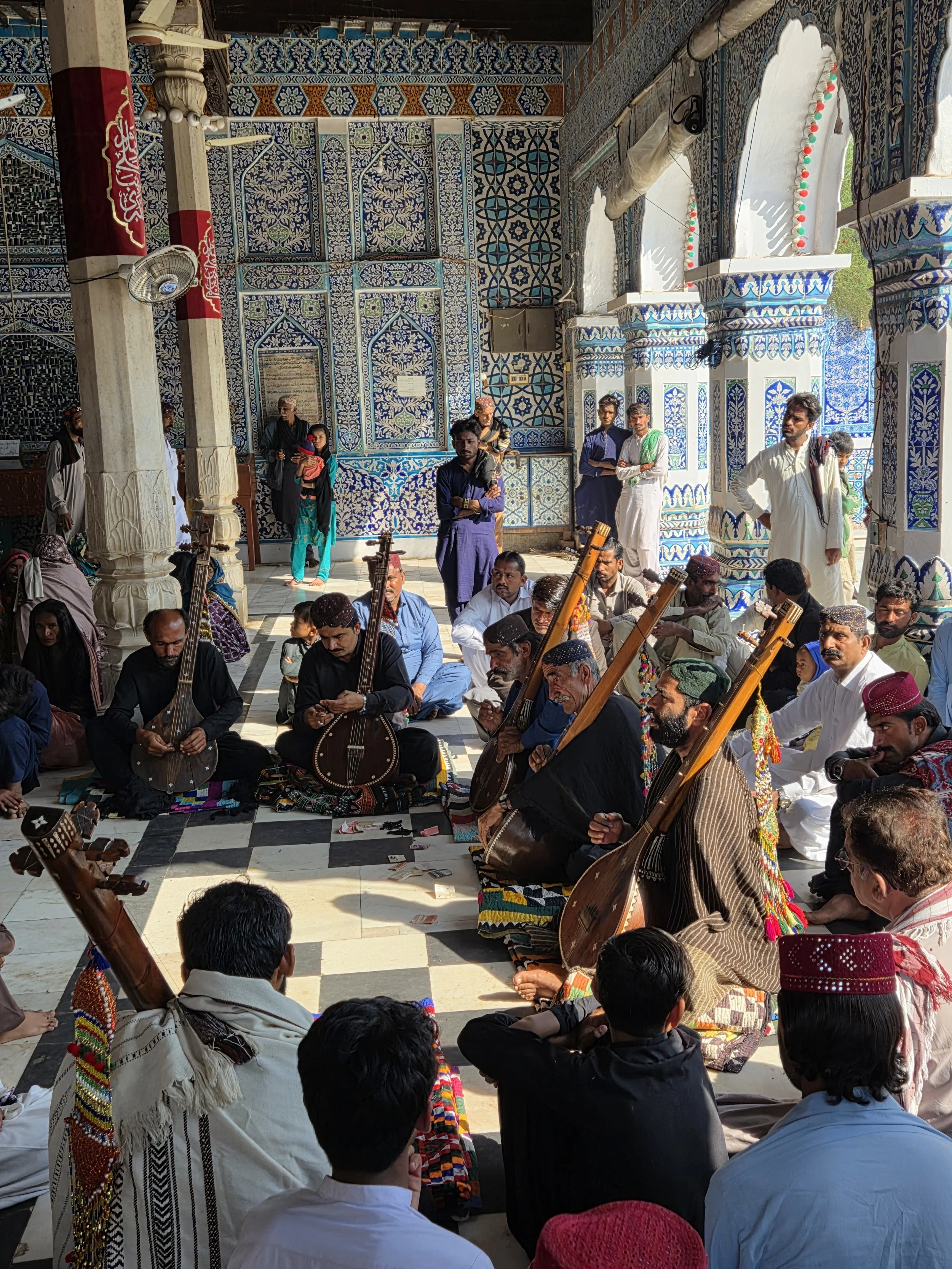
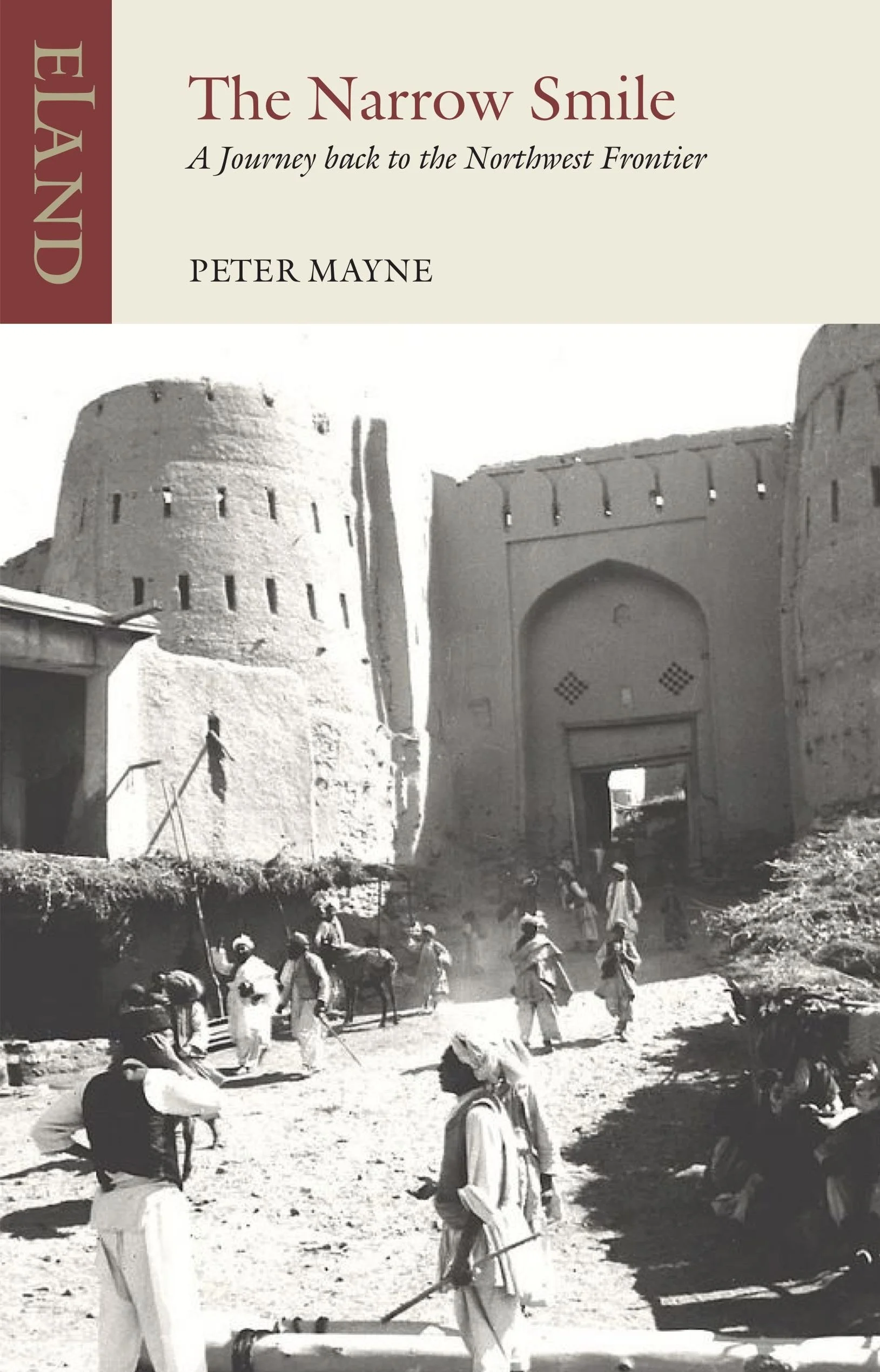
When Peter Mayne visited the shrine of Ghazi Baba, it was being rebuilt, “so that what was once a modest little place perched on a rock is now going to look like a provincial movie-house”. The functional stairs that lead up to the shrine retain a quasi-commercial feel seventy years on. There is no doubting the fervour of those ascending them though, and that, together with the humour and humanity that he encountered in rural Sindh, seem little changed.
Cities are different and there is a familiar sense of purpose in Karachi. Pedestrians, fixed on personal ends, eschew eye contact with passers-by. Like New York, Hong Kong or Mumbai, other port cities grown great from immigration in recent centuries, Karachi’s monuments consciously proclaim the wealth that was generated here. The extensive yellow sweep of the domed Karachi Port Trust is a temple to commerce, while the Gothic Revival Frere Hall, once the town hall, blends Italianate and Moghul influences, with a slender spire on top that wouldn’t look out of place on a Zurich church.
Read more
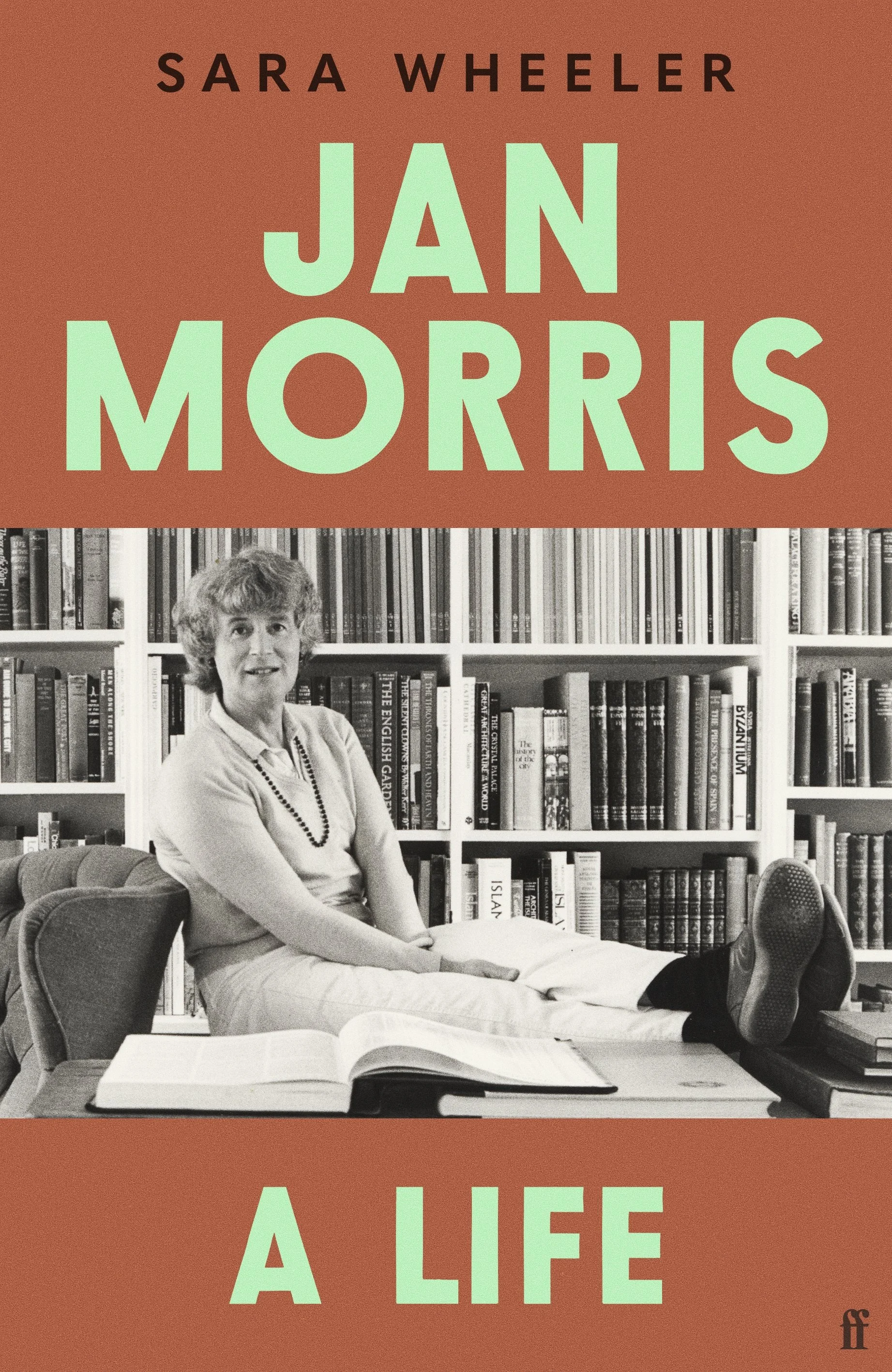
Eland questions, Sara Wheeler, author of Jan Morris: A Life
First person that inspired you to become a story-teller? Be it teacher, grandmother, the radio.
Working-class kids didn’t have books in the early sixties and nobody told stories, except about the football. When I was about nineteen, Arthur Grimble’s A Pattern of Islands made me realise what travel writing could do – that it was the perfect vehicle in which to smuggle in the ineffable.
Is there a home? How many? Where do you write now?
Yes there is a Victorian butcher’s shop on Hampstead Heath that has been home for thirty years. I write wherever I am – it’s a wholly inaccessible luxury not to have to get on with it every single day. What would one tell the gas man?
Writer or travel-writer or adventurer ? How will booksellers describe you, when we want to carry on selling your books?
‘Writer’ is quite enough
Read more
Barnaby Rogerson on Peter Fleming: What Makes a Man?
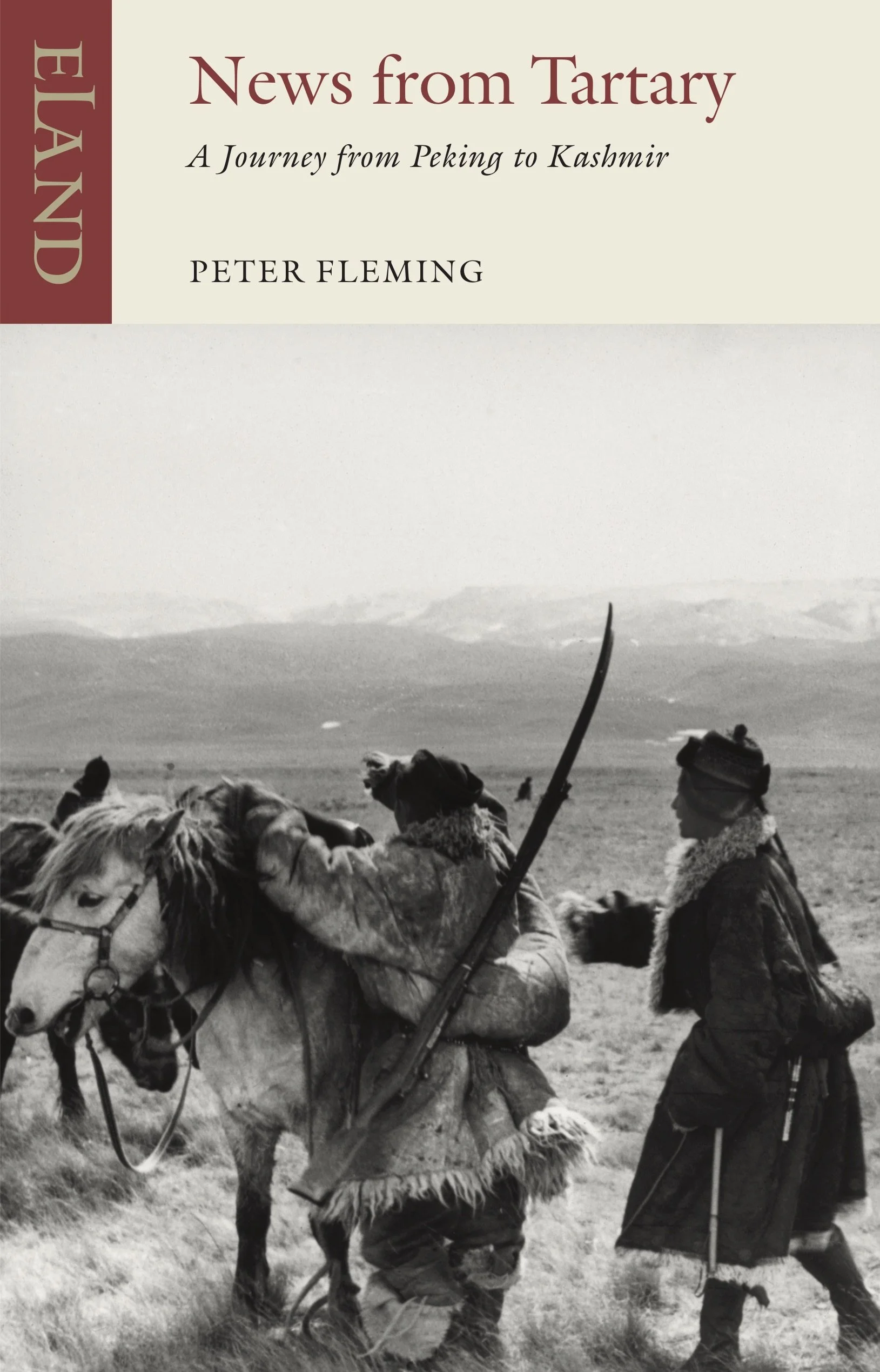
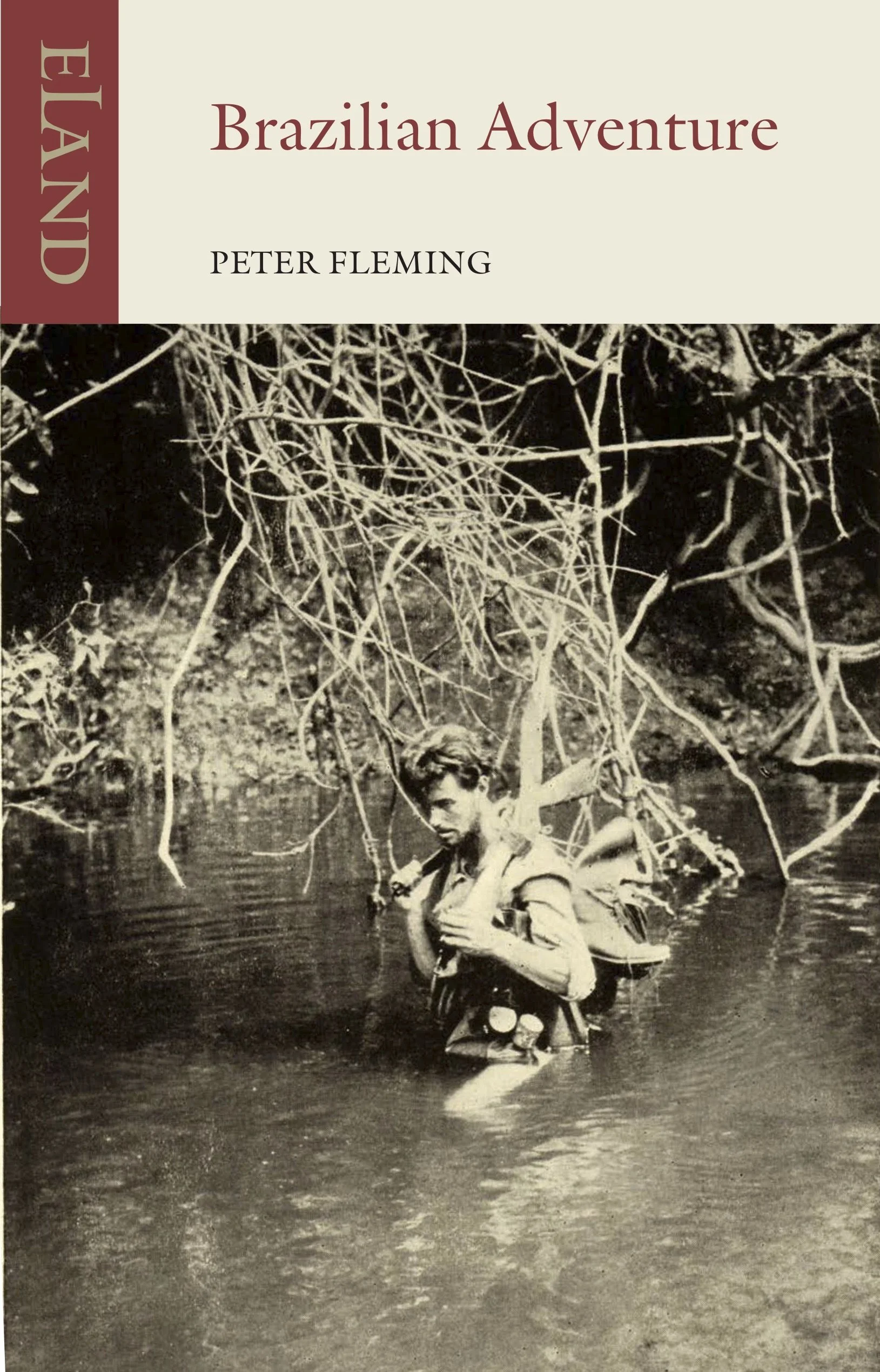
If you have not yet read Brazilian Adventure or News from Tartary you are in for a roller-coaster of adventure and misadventure. You will also be left in awe at the stamina, bravery, enterprise and self-deprecating humour of Peter Fleming, as well as appreciating the nonchantly camouflaged steel of his ambition. He is a fascinating example of pluck in whatever extreme situation he finds himself, but always given an individual twist, for his adventurous spirit was married to a rapier-like skill with words and a dedication to the truth. He also had a lifelong delight in the theatre, which he put into practice by marrying one of the great actresses of the age, against the determined opposition of his mother. His friends recognized this rare combination of physical toughness, literary precision and delight in life by likening him to a figure from Elizabethan times.
Nine Swims by Barnaby Rogerson
Last New Year, I ripped up a book contract. It was an intriguing sensation to free yourself from the otherwise desired embrace of a Publisher. As all hungry freelance writers know, you need to lie about your availability and accept multiple and contradictory commissions with enthusiasm. Editors do not want to employ writers who say No.
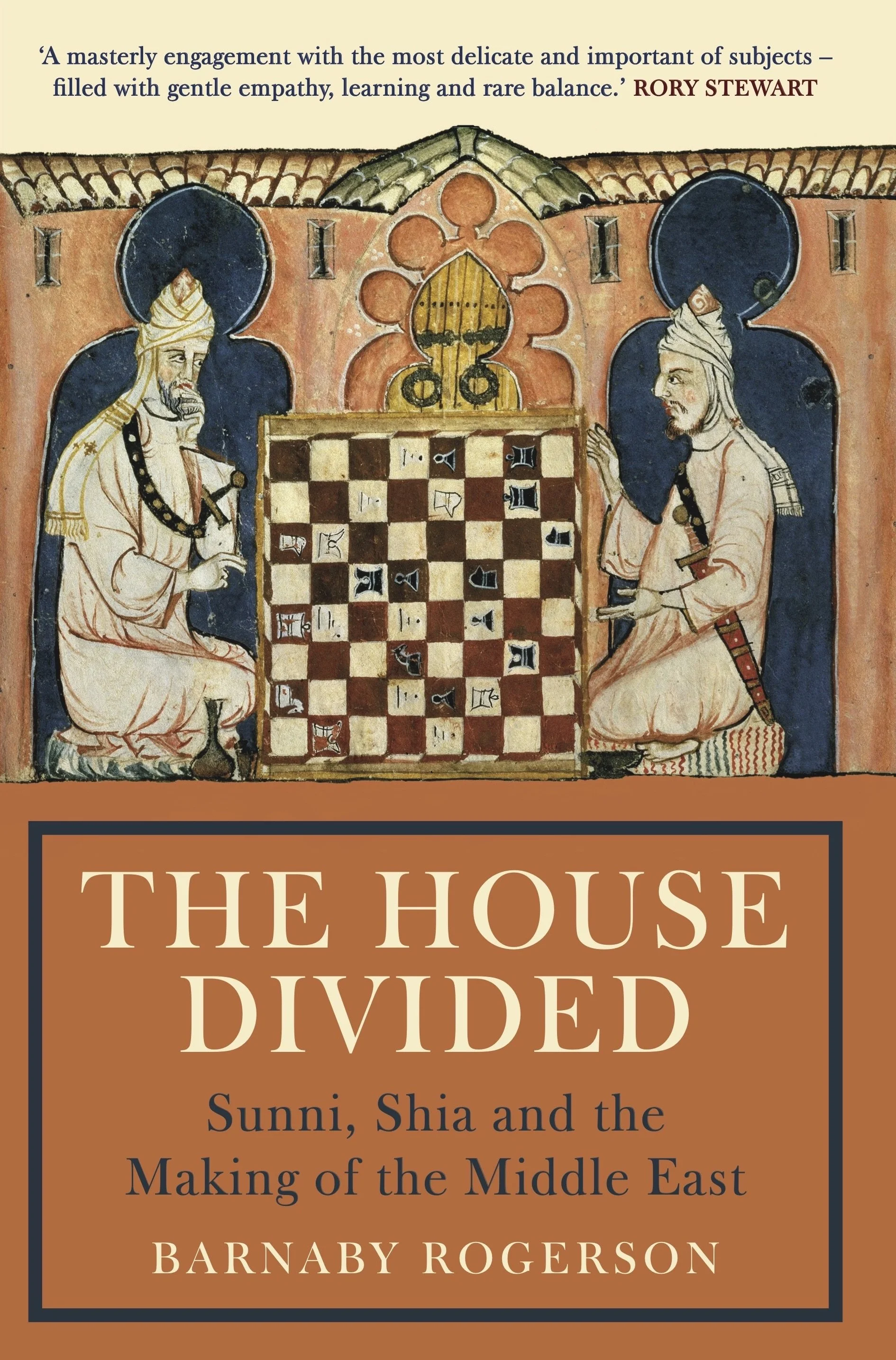
So why did I do it? Guilt about broken deadlines was not a primary concern. Deadlines are a vital aspect of newsprint journalism, but if you are writing a book they are mere fences to be jumped, as if you were an old hunter at a point-to-point. But I did know we were going forward into one hell of a year at Eland, moving all 182 titles into a new warehouse and a new distributor. I may also have talked about my next book too much, which can kill the joy of settling down in a dark corner for three months. The story had already been told. I was also enjoying the comparative success of The House Divided: Sunni, Shia and the Making of the Middle East and the invitations to book festivals.
Read more
In praise of Norman Lewis
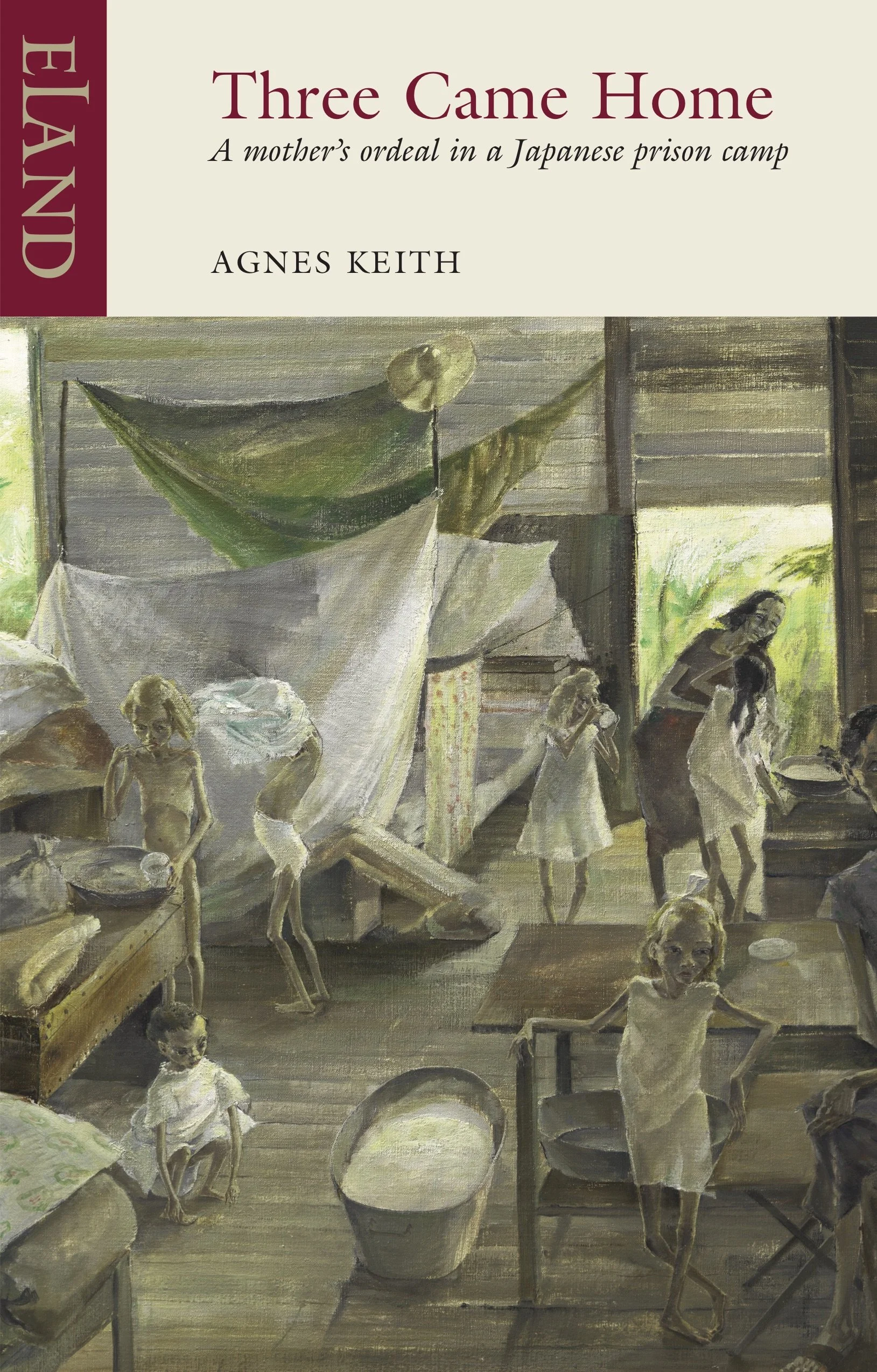
Three Came Home: A mother's ordeal in a Japanese prison camp by Agnes Keith
Three Came Home, this searing chronicle of a family imprisoned on the island of Borneo in the Second World War, is the best-known of Agnes Newton Keith’s six published memoirs. It is as unlike its precursor, Land Below the Wind, as hell is unlike heaven. Entangled in hatred and cruelty, the captives’ despair was somewhat mitigated by their resourcefulness. The somewhat-mitigated despair of Three Came Home gave way in its successor, White Man Returns, to guarded hope for humankind. Keith’s three Borneo books can be viewed as chapters in the beloved American/Canadian writer’s life of travel, adventure and tribulation with her spouse. Agnes Keith’s writing is as much about Harry Keith as it is about Borneo. Harry is writ large because the writer was at first just one-half of a colourful couple. The Keiths continued to be colourful for the thirty-six-year span of Agnes’s oeuvre. But they possessed a ‘terrible knowledge’ from their wartime experience — the phrase was from Bruce Hutchison, at the time, dean of Canadian journalists: ‘She has an intimate, not to say a terrible[,] knowledge of the Japanese mind’ — and the experience gave gravitas to her writing against war.
Read More
Nigel Barley on Anthropology
I recently had to re-read The Innocent Anthropologist and it was a strange experience. I didn’t choose the title but I now find it wholly appropriate – none of the cringing political correctness you find in the current anthropology that has lost its cutting edge, the boundless optimism of those times, the faith in the subject itself and the value of human contact that it entails but alongside an awareness that one of the great universals is the ability to laugh at ourselves when we are at our most serious. When I showed it to my ex-tutor he warned me never to publish it as it would end any hope of an academic career. At a meeting of the Association of Social Anthropologists of the United Kingdom and the Commonwealth, a motion was proposed that I should be thrown out. It was not passed and nowadays it is often the first book prescribed on undergraduate reading lists. I feel a nostalgia for that lost me – so bright-eyed and bushy-tailed.
Read more
DEATH'S OTHER KINGDOM, Gamel Woolsey
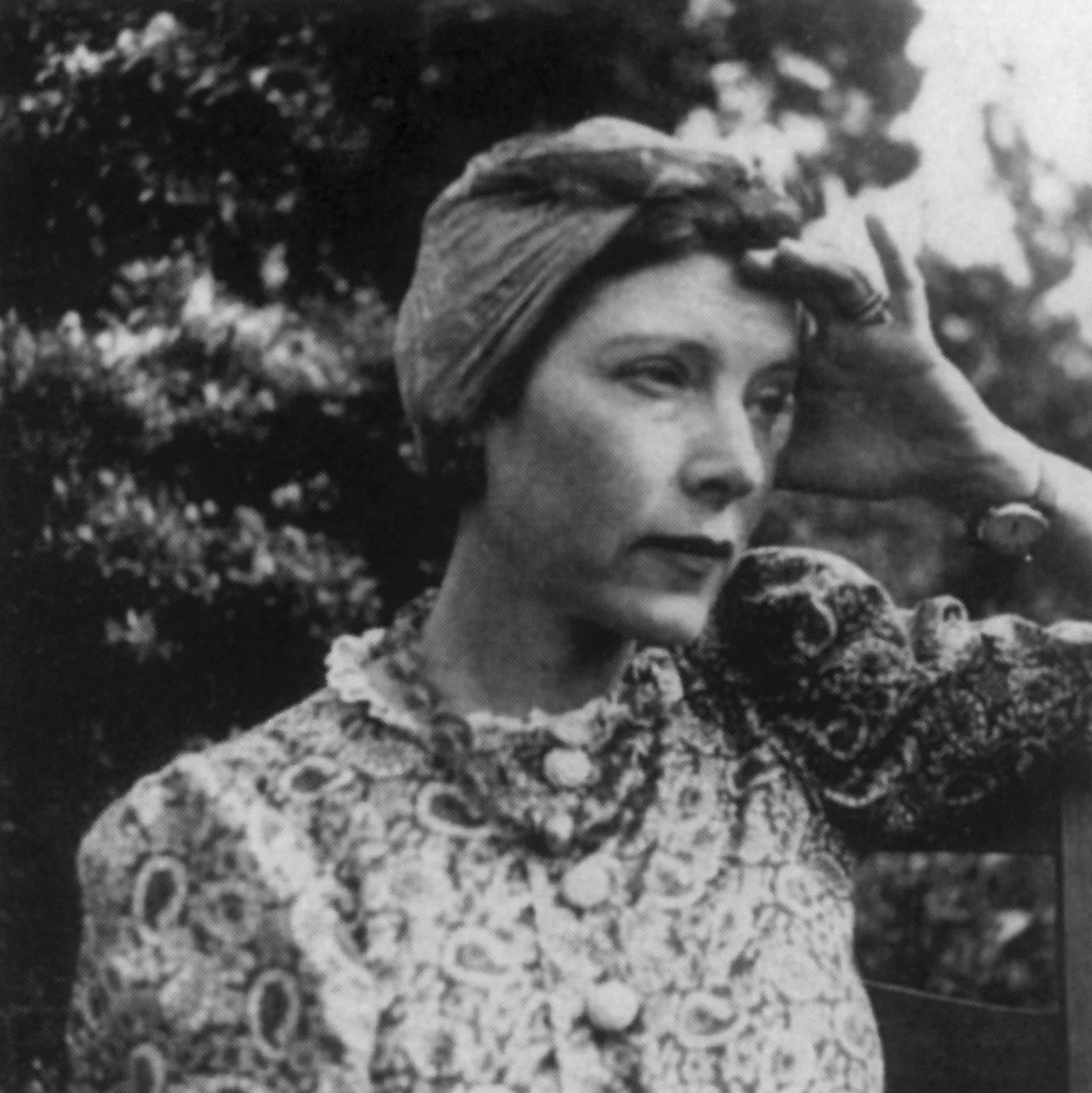
Gamel Woolsey, author of ‘Death’s Other Kingdom: A Spanish village on the eve
of the Civil War’. Read Michael Jacob’s afterword to this remarkable first-hand
account of the Spanish Civil War in our latest newsletter (now on our website)
alongside news from Action Syria, Cornucopia, the Dorchester Lit Fest,
Sherborne and Ilse Schwepcke
‘Of all the foreign eyewitness accounts of the Spanish Civil War, Gamel Woolsey’s
Death’s Other Kingdom is one of the most moving and unusual. It is one of the few
records of the war that is fuelled more by a love of Spain and its people than by
any firm ideological standpoint. Woolsey was someone whose political position
ran contrary to the Left Review’s famous assertion of 1937 that it was impossible
for authors not to take sides on the issue of being for or against Franco and
Fascism. But then, to her contemporaries, she would barely have been
considered an author at all. By the time of her death in 1968, she seemed
destined to go down in history merely as the wife of the writer and Hispanist
Gerald Brenan … Rereading the book today, one is struck by how pertinent it
remains as a commentary on war in general, and on war’s impact on the lives of
those ordinary human beings whom the rhetoric of politics and ideology never
reaches.’ Michael Jacobs
Read More
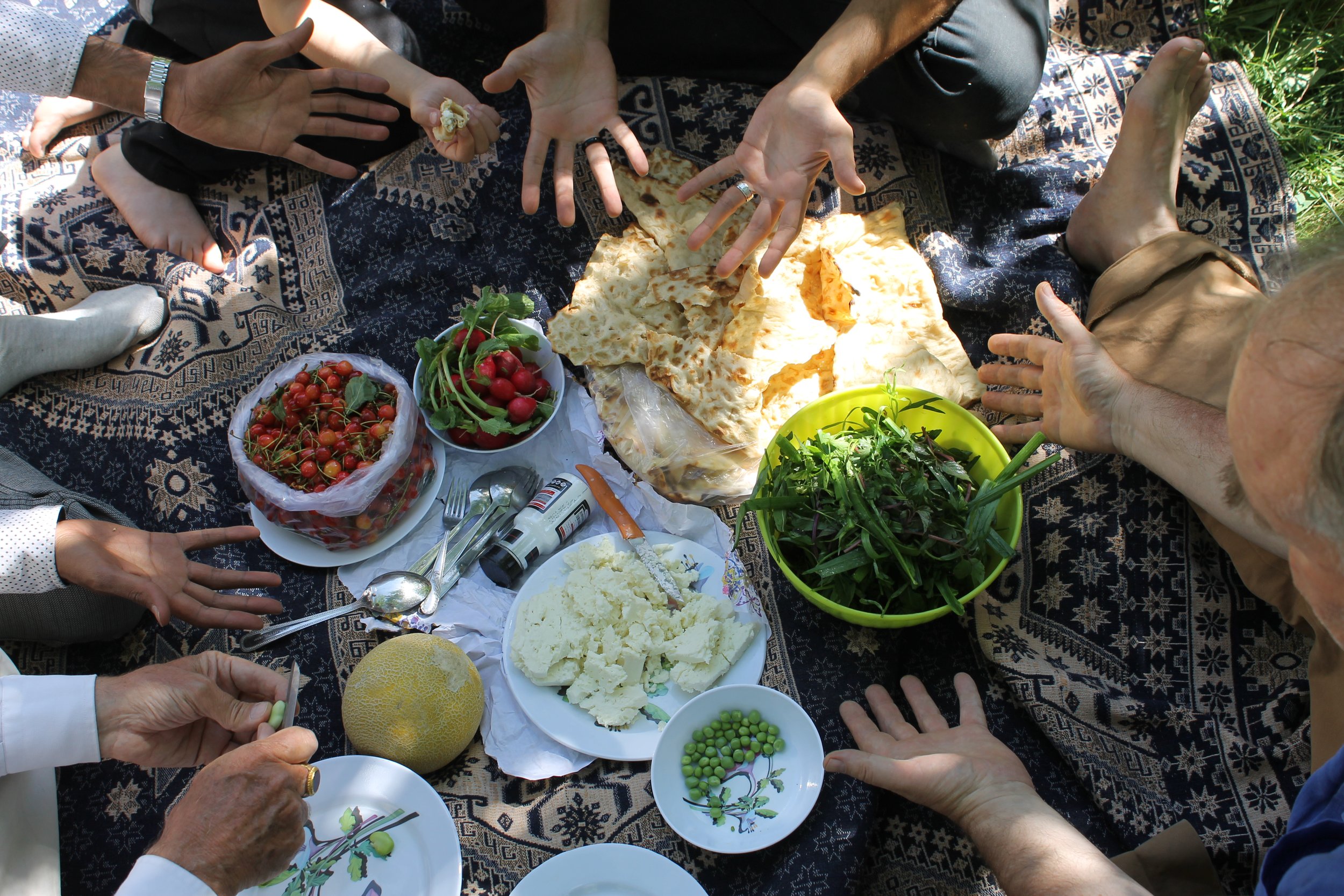
Persian Picnics by Barnaby Rogerson
It was our first morning in Iran.
Mashhad was our base for the first couple of days, as we acclimatised and explored the north-east of the country. The distances were vast, and some of the journeys were clearly experimental, but to be seeing things in Iran that Bruce had never seen was a privilege in itself. Our second day took us towards the Afghan border but was broken by a two-mile walk so that we could arrive at an isolated Seljuk caravanserai having understood something of the landscape. Our trip to discover the secret encampment of Nadir Shah (where his treasure had been stored and where he was murdered by his own bodyguard) was accompanied by a thunderstorm that swept a river of mud, speckled with vast boulders, across the road. Like all Bruce missions there was an inscription to be identified – up a narrow mountain gorge, carved into the living rock – which took us through a nomad encampment where he picked up a charming young guide. He was delighted to find that the inscription, like Nadir Shah himself, was vast and imposing, but essentially Turkic with Persian embellishments.
Read more
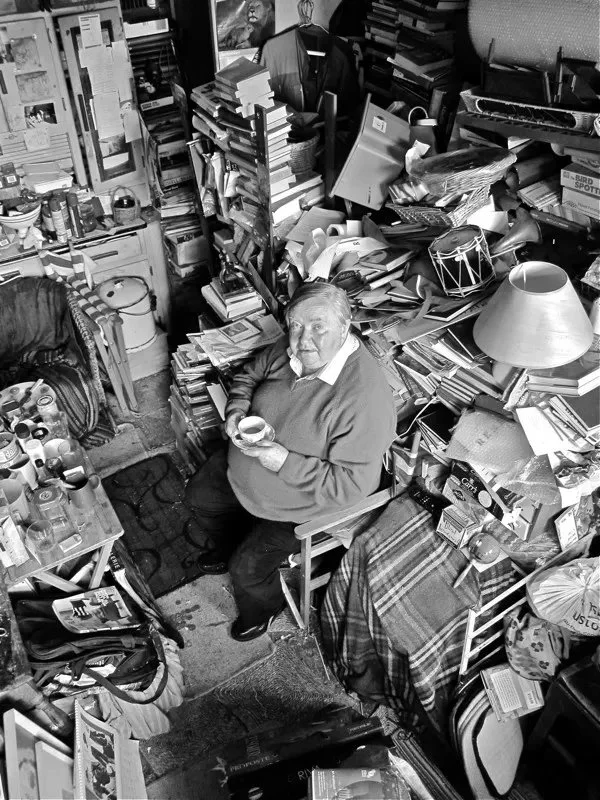
Clive Murphy, editor of A Funny Old Quist, introduced by The Gentle Author
Above a curry house in Brick Lane lived Clive Murphy like a wise owl snug in the nest he constructed of books, and lined with pictures, photographs, postcards and cuttings over the nearly fifty years that he occupied his tiny flat. Originally from Dublin, Clive had not a shred of an Irish accent. Instead he revelled in a well-educated vocabulary, a spectacular gift for rhetoric and a dry taste for savouring life’s ironies. He possessed a certain delicious arcane tone that you would recognise if you have heard his fellow-countryman Francis Bacon talking. In fact, Clive was a raconteur of the highest order and I was a willing audience, happy merely to sit at his feet and chuckle appreciatively at his colourful and sometimes raucous observations.
I was especially thrilled to meet Clive because he was a writer after my own heart who made it his business to seek out people and record their stories. At first in Pimlico and then here in Spitalfields through the sixties and seventies, Clive worked as ‘a modern Mayhew, publishing the lives of ordinary people who had lived through the extraordinary upheavals and social changes of the first three-quarters of the century before they left the stage.’ He led me to a bookshelf in his front room and showed me a line of nine books of oral history that he edited, entitled Ordinary Lives, as well as his three novels and six volumes of ribald verse. I was astonished to be confronted with the achievements of this self-effacing man living there in two rooms in such beautiful extravagant chaos.
Read more
Rose Brookfield on Mahi Binebine's Welcome to Paradise
Eland are proud to reissue this compassionate novel. First published in French in 1999, but as timely and relevant today, on a subject rarely out of the news. Binebine is one of Morocco’s leading literary voices and artists and we welcome him to the Eland list.
A writer, says Mahi Binebine, is ‘a sponge’ forever soaking up ‘rumours, passed-down tall tales and family lore.’ Like any good storyteller, Mahi Binebine is a magpie; constantly foraging the streets of Marrakech, newspapers, and what happens in his own life, for stories he might weave into his hypnotic tales. As a young boy he would cross the Djemaa el Fna on his way to school. It was then that Mahi first witnessed the lives of the artists making their living on the square: snake charmers, street performers, merchants, beggars, migrants, and the legendary Moroccan figure of the storyteller.
Read more
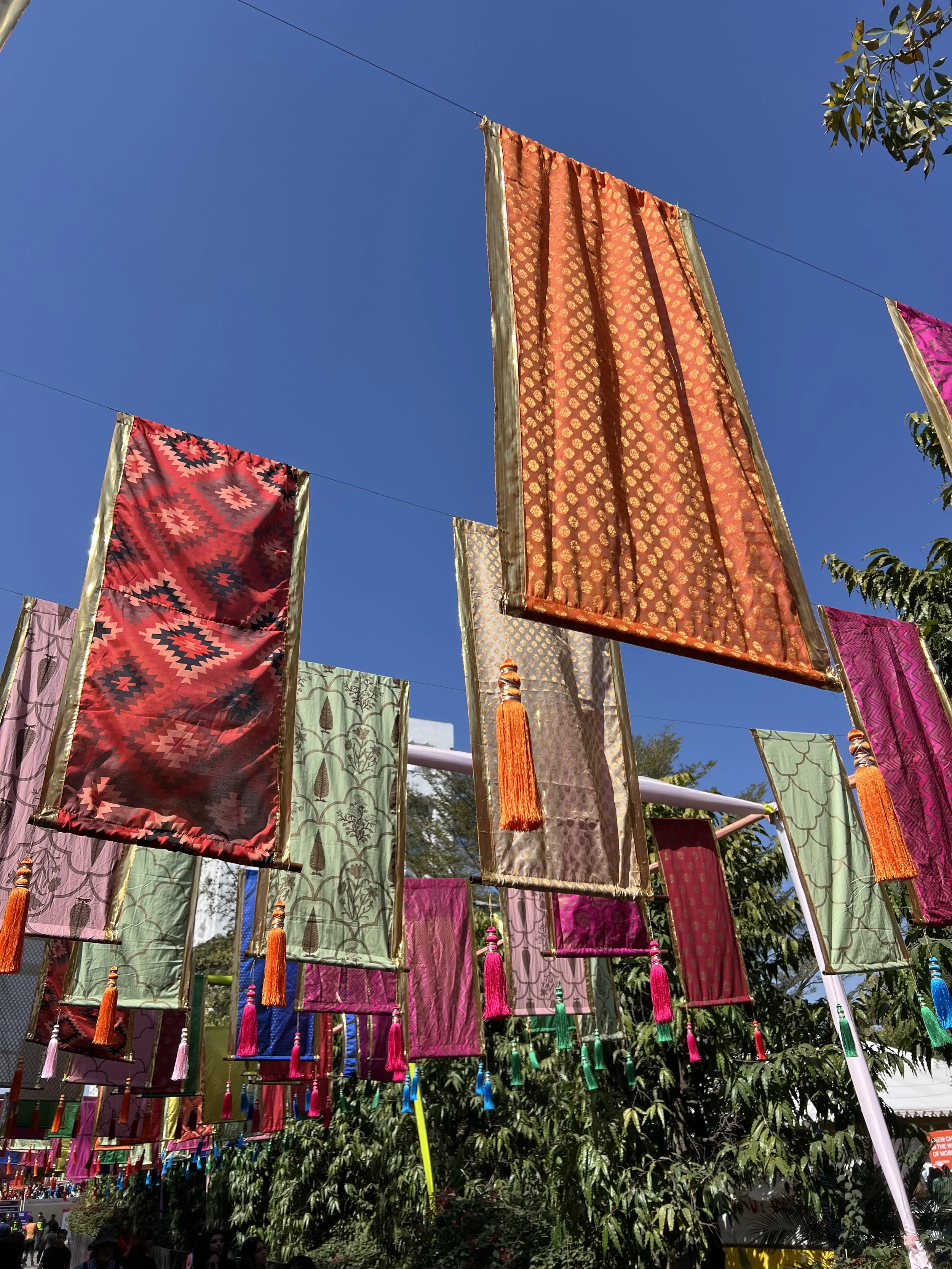
Letter from Jaipur
Jaipur is the best literary festival in the world, not because it is the biggest (it is not), nor because it is well-funded (it is not) but because it is free. Or almost free. You have to register in advance, but the five-day student pass will set back a young scholar 100 rupees, which is under £1.
This creates an audience unlike anything else I have encountered. A Jaipur audience is younger, smarter, more alert and attentive. It is opinionated, bright-eyed and stylish. Since no one buys seat tickets, if the audience feels that the speaker (be they ever-so-famous on the little screen) is underperforming, they simply rise up and go listen to someone more articulate and honest, often achieving this exit with some style, as sarees and scarves, or school blazers, are adjusted with a determined flourish. At any hour of the day there are seven simultaneous talks being held, most of them in open-sided tents within the Jaipur Festival compound, so there is plenty of choice, and plenty of freedom to move. My travelling companion and I agreed not to attend the same talks so we could double up on the already dazzling range of options. On each of the five days (Thursday through to Monday) the three biggest tents (Front Lawn, Charbagh and Surya Mahal) will host nine separate sessions, including a start-up session of a Morning Raga – classical Indian music. In the early evening there is always a raucous, high-volume and boldly-lit rock concert performed by bands flown in from Delhi or Bombay for which tickets are keenly purchased by Jaipur’s youth. For the rest, no individual, neatly numbered seat tickets are sold for any of the acts, nor are seats reserved for speakers or sponsors. So unlike our dear old, stuffy little Britain there are no veiled class distinctions in the seating, or entrance queues waiting for ticket checking, just a determined free flow of individuals. For the more popular sessions, a crust ten individuals thick can surround the packed rows of seats within the tents, all craning to get some sort of view. In the indoor halls, if there are no free chairs, the overflow audience neatly folds their legs to sit in the aisles or cluster around the stage.
Read more
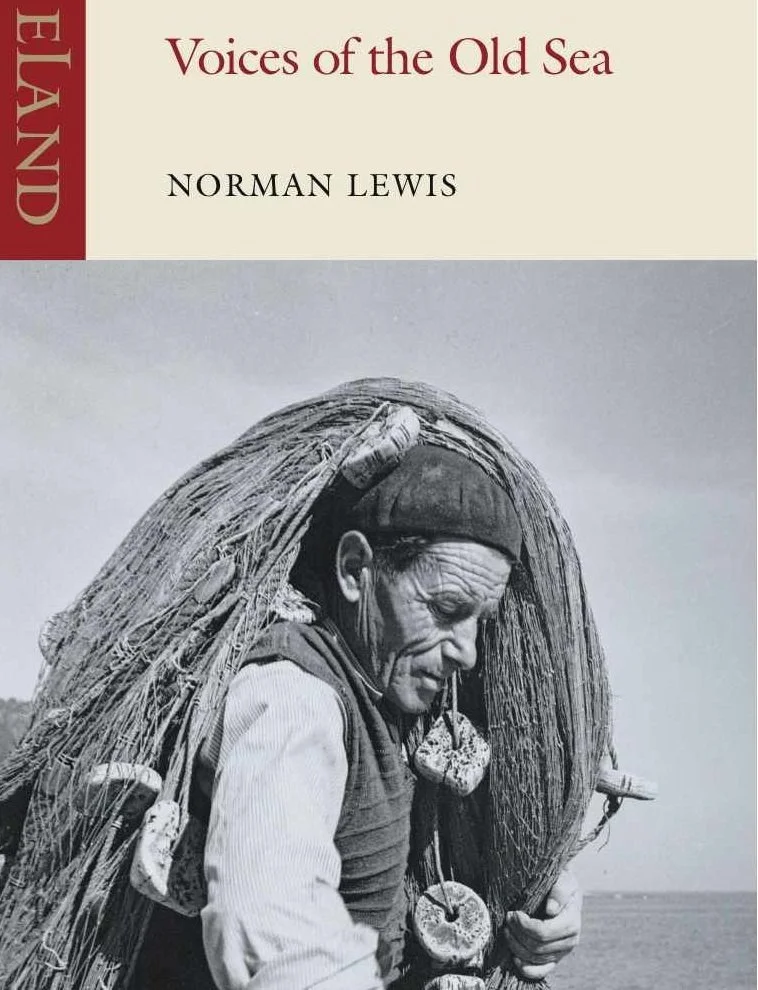
John Hatt on Norman Lewis
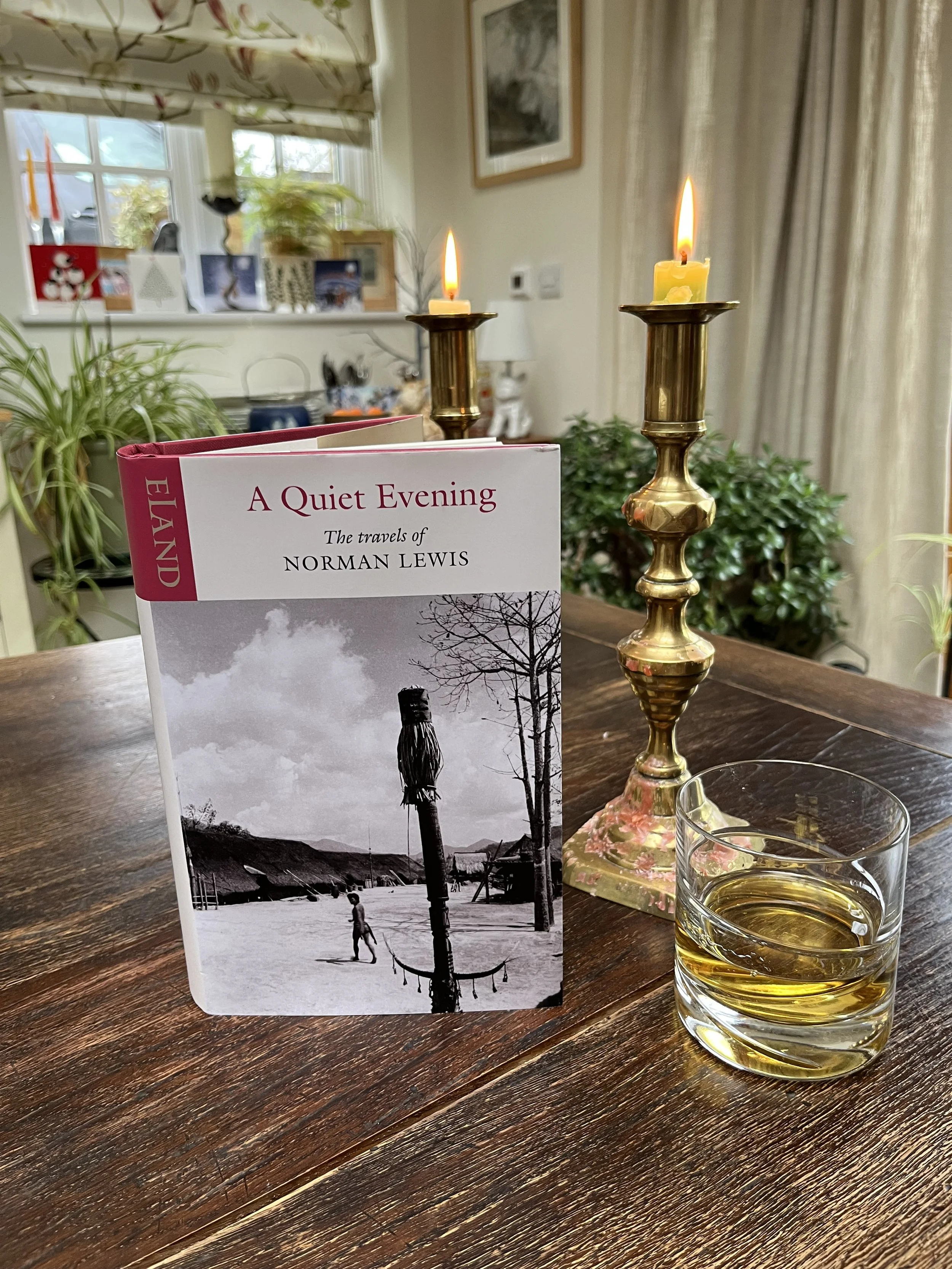
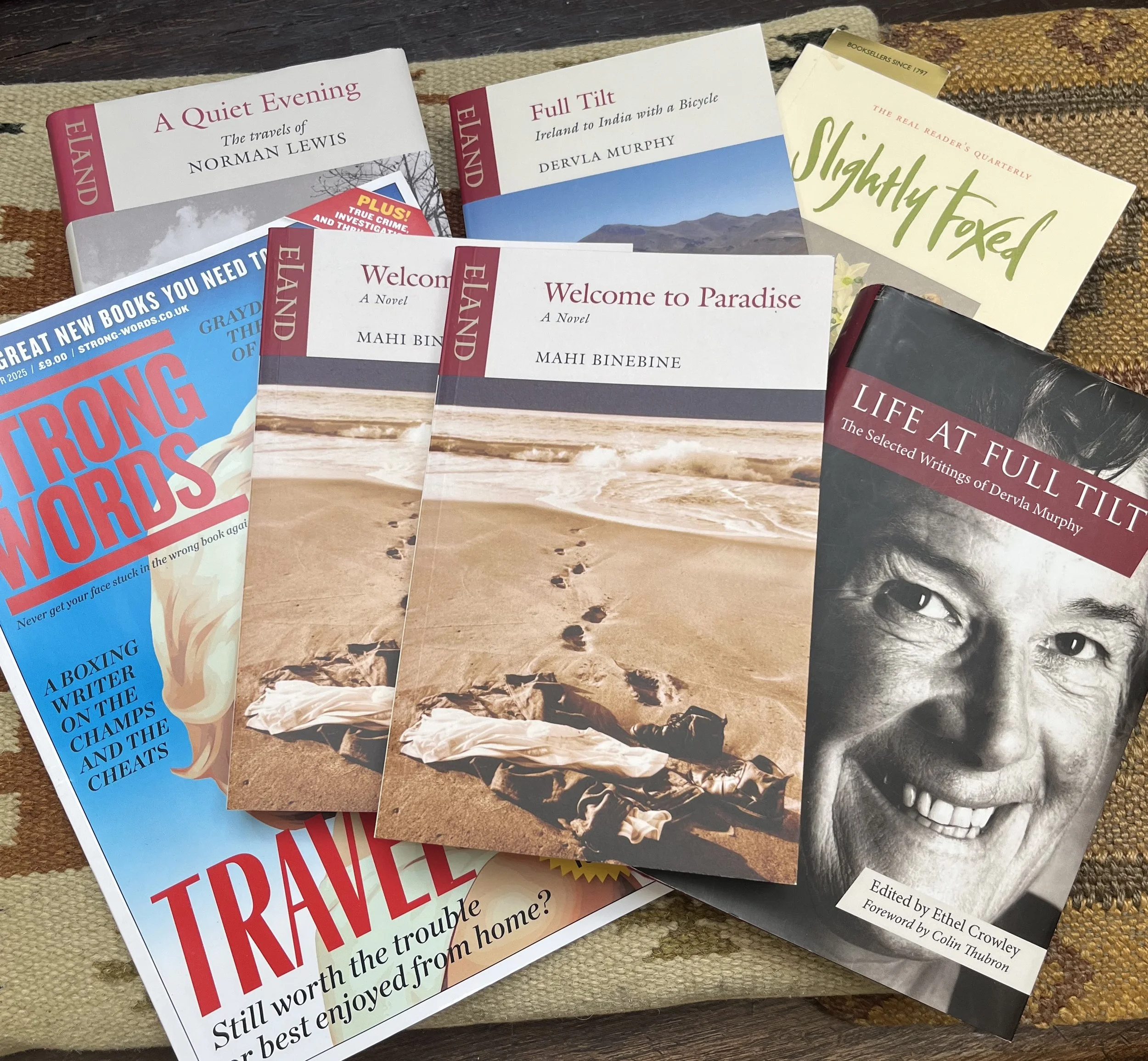
A Quiet Evening: The Travels of Norman Lewis, introduced by John Hatt
After founding Eland in 1982 with the purpose of reviving exceptional travel literature, my earliest ambition was to bring Norman Lewis to a wider readership. Therefore Eland’s first publication was A Dragon Apparent, his wonderful account of Vietnam, Laos, and Cambodia before those nations were engulfed in the Vietnam war. I went on to republish what I considered to be Norman’s four best books. After passing the Eland baton to Rose Baring and Barnaby Rogerson, I stayed in close touch; but, because they managed the company with such love and skill, I took a back seat. All the same, I recently beseeched them to allow me to assemble a new anthology of Norman’s best articles. They generously agreed, and this is the result.
Read more
Eland Christmas Quiz and ideas for all Readers
Our December newsletter is out featuring the Eland Christmas Quiz 2024 and ideas for every Christmas stocking, including our new tote bags!
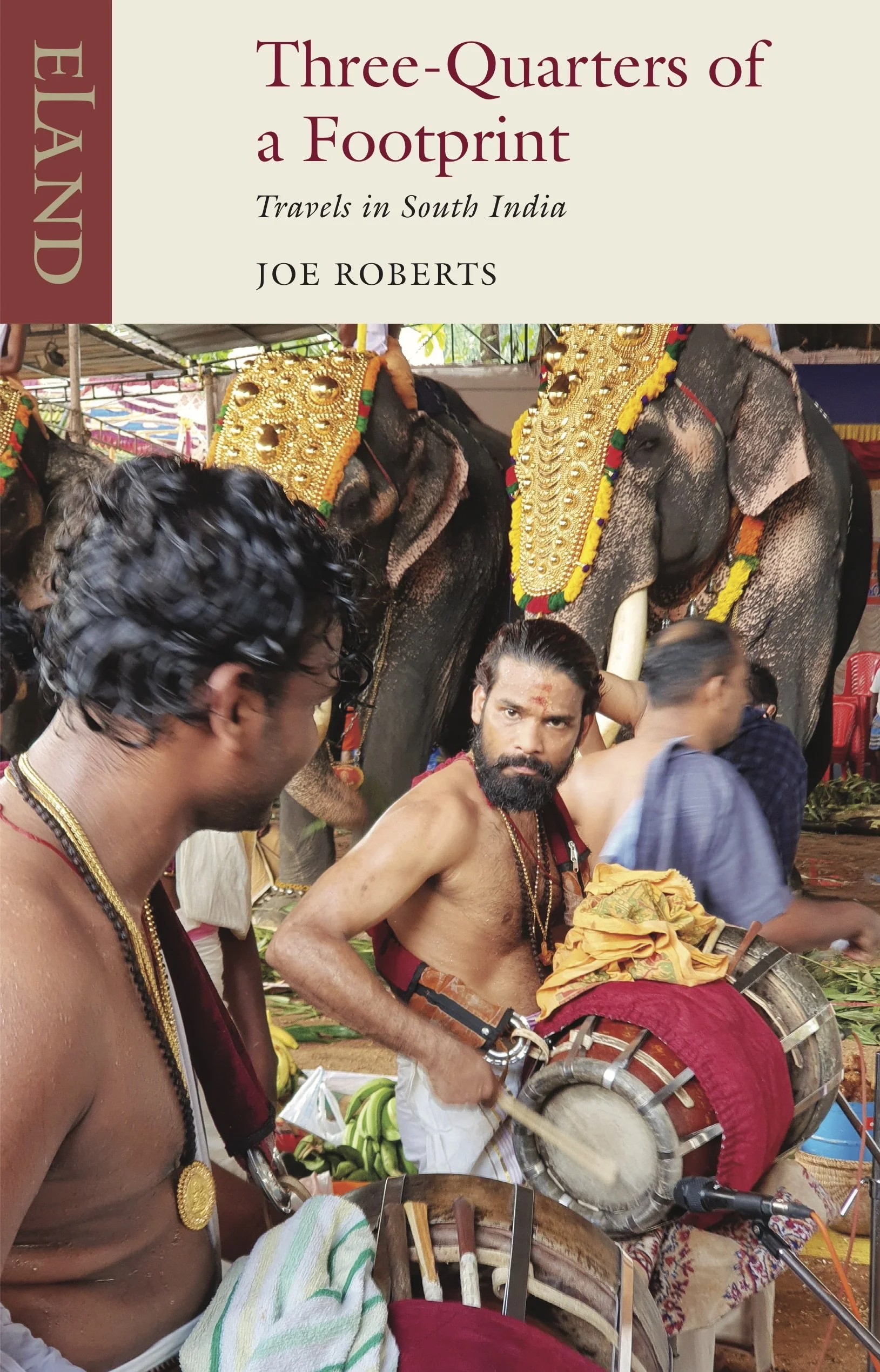
Joe Roberts remembered by Lisa Chaney
Taken from the Biographical Afterword
In this, Joe’s first book, he has already distilled his marvellous range and strides onto the authorial stage fully formed. ‘Drying saris fluttered from balconies like banners ... Whenever the train stopped, men passed by with tea urns shouting chai, chai, and there were cows sleeping on the platform and figures stretched out like corpses with grey sheets.’
He is restless, fiercely observant, and we see ‘Small sodden goats huddled in doorways with mouths shaped into smiles and cold yellow eyes ... A beggar woman mewed “Bap, mabap and touched her cracked lips”’. Joe shared his sandwiches; she ‘snatched through the window – I noticed her elegant hands’. And, intrigued, he’s drawn us in.
He is warm, funny, irreverent, unembarrassedly self-revelatory. Discreet and formidably knowledgeable, he has little interest in either dissimilation or false modesty. In conversation and on paper, swooping from one thought to another, he then makes a sharp turn for an historical digression.
Read more
Lesley Chan Downer on Japan
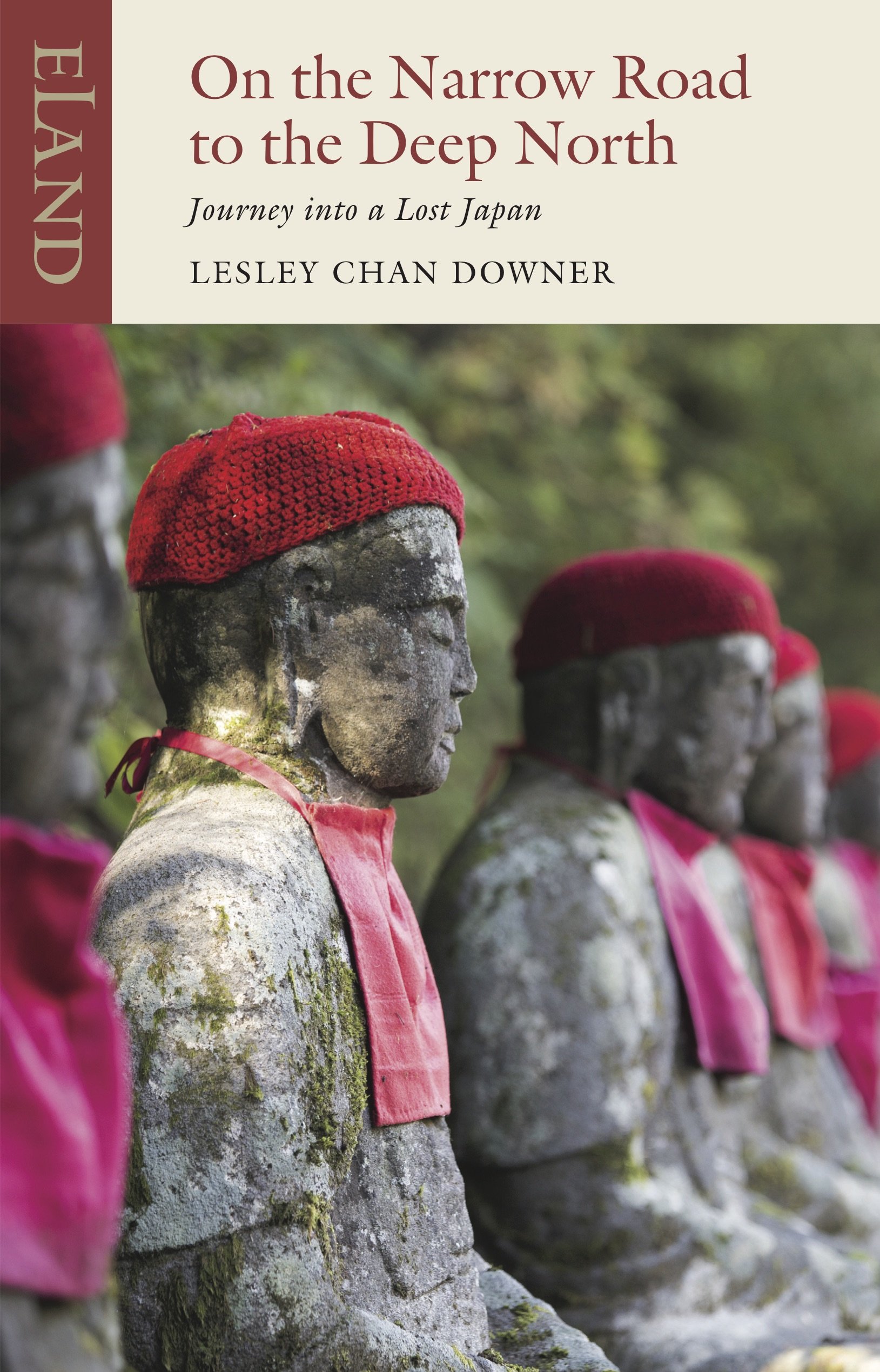
After eight years working in Japan, immersing herself in its language and literature, Lesley Chan Downer set off in the footsteps of Matsuo Basho, Japan’s most cherished poet, to explore the country’s remote northern provinces. Basho’s pilgrimage to find the landscapes that had inspired the great medieval poets gave birth to Japan’s most famous travel book, rich in strange imagery and sometimes comic encounters along the road.
Reading Out Loud by Barnaby Rogerson
Being read to out loud has magic to it. Children and old people immediately understand that it means not just compelling words but close company, real engagement and an abandonment of all other distractions to engage in a shared, lived experience of now. It is impossible to be a good reader, caught up in the musical pace of your narrative and keeping a weather eye over your menu of accents, and not be totally present.
Read more
Ian Skeet on Muscat & Oman: The End of an Era
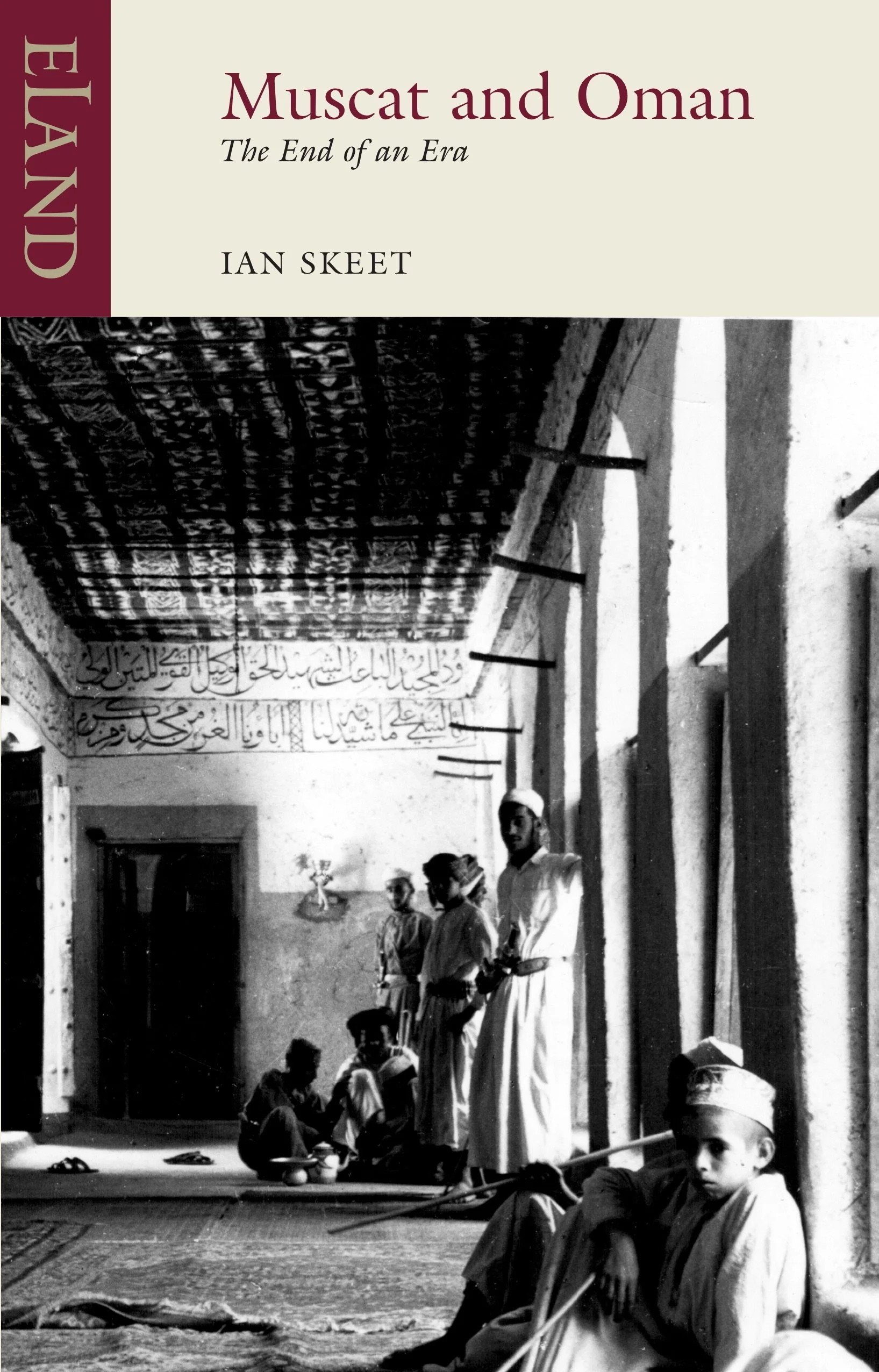
Muscat exhales history. You can sense it in the heavy hot air of summer and the light bright winter mornings, in the dusty alleys and the large crumbling square houses and it’s stored up, it must be, in some concentrated distillation in the forts of Merani and Jalali. A whiff is mixed with the breeze daily, but, like the widow’s cruse, it will not run out, not at least until the forts, and the houses, and the walls and the towers are torn down to make way for blocks of flats and offices and off-street parking.
The forts are most people’s first, and usually most lasting, image of Muscat, an image that is almost tactile, so solid are they. Coming by road up and over the last pass from Muttrah they are angled and merged almost into one, heavy and grey over the faded blue and dirty white wash of the huddled houses. From the sea they stand square in front of you, like two enormous bastions built for a suspension bridge across the harbour; but in place of the bridge there is the front line of the town, dominated by the Sultan’s palace and the British Consulate General, both gazing straight out to sea. Very proper too, for much of the history stored up in those forts and pervading the town came in ships from that same postcard blue sea, glittering peacefully in the sunshine of 1967.
Read more
I first encountered Jonathan Raban as an absence, a glamorous rumour. I had come to UEA in 1970 as a graduate student. He had left the year before but was far from forgotten. The pubs where he drank were pointed out to me. One of my tutors, Malcolm Bradbury, directed me to an article he had written about the art of criticism as a form of fiction writing. The idea struck me as faintly scandalous but also very exciting. What if critics were, in their own way, story tellers? What if the purpose of criticism was to release the reader’s imagination rather than confine it in concepts? There seemed to be something free spirited about his writing. He didn’t want to get boxed in by oppositions between the modern and the traditional, or the English and the American, but would think on his own terms about what he liked and what he didn’t. I wanted to read more . . .
Read more